Landforms Coloring Pages: A Practical Activity Plan For Creative Learning
landforms coloring pages offer a simple way to kick off an activity plan focused on geography and creativity. They work as a quiet starter or a collaborative project, encouraging kids to observe features like peaks, valleys, and coastlines before moving on to related crafts or discussion.
landforms coloring pages — activity planning
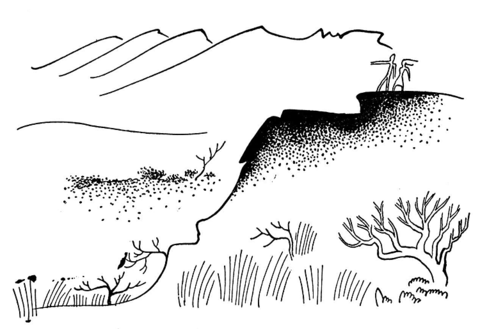
To use landforms coloring pages as the centerpiece of a geography track, start with a quick prompt: what feature are you looking at, and what caused it? Then let learners color the page while you narrate a few plain facts. The goal is to foster careful looking, not just speed. After coloring, invite a quick sharing moment where each person points out a feature and explains it in one sentence. That simple practice builds vocabulary and curiosity without overwhelming the group. You can vary difficulty by offering pages with fewer details for younger children and more detailed scenes for older doers. For a hands-on extension, add a simple map sketch: mark the colored landforms on a blank outline and label them. A printable companion glossary or picture cards can support vocabulary like valley, delta, or plateau. This approach keeps the coloring page aligned with a broader activity plan rather than a one-off activity.
Ways to use them
Beyond the initial coloring session, design a short field-trip-like activity indoors: set up stations for different landforms and rotate groups through each one. At a river page, students discuss erosion; at a mountain scene, talk about uplift and plate tectonics in plain terms. Encourage them to compare textures, shades, and line thickness to convey different features. You can create a simple checklist for students to note what they learned while coloring, such as 'peak taller than surrounding hills' or 'river cuts through rock.' This method supports active engagement and gives learners a clear plan to follow, which is especially helpful for mixed-ability groups. If you have access to a classroom whiteboard or wall space, display a collage that links the colored pages to a basic sequence of geologic processes. The result is a cohesive mini-unit that treats the coloring page as one component of a larger activity plan rather than a standalone task.
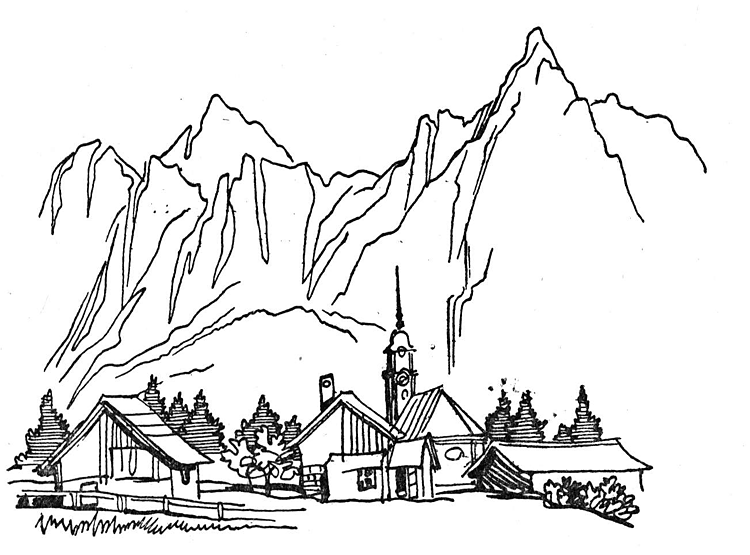
To keep landforms coloring pages relevant over time, choose a few styles that suit different settings. For home use, a single-page activity can be paired with a short video or reading excerpt. In a classroom, offer bundles that include a simple note page for observations and a larger, more detailed page for independent work. Provide options for different coloring tools, such as crayons, colored pencils, or markers, and allow for gentle adjustments to lines if a student prefers a less intricate image. If some learners need extra time or comfort with the topic, offer a guided version of the page that highlights just one landform at a time, followed by a quick recap of its key characteristics. The idea is to keep the page a flexible element within your activity plan, not a rigid assignment. When used thoughtfully, landforms coloring pages can support curiosity and collaborative problem-solving.
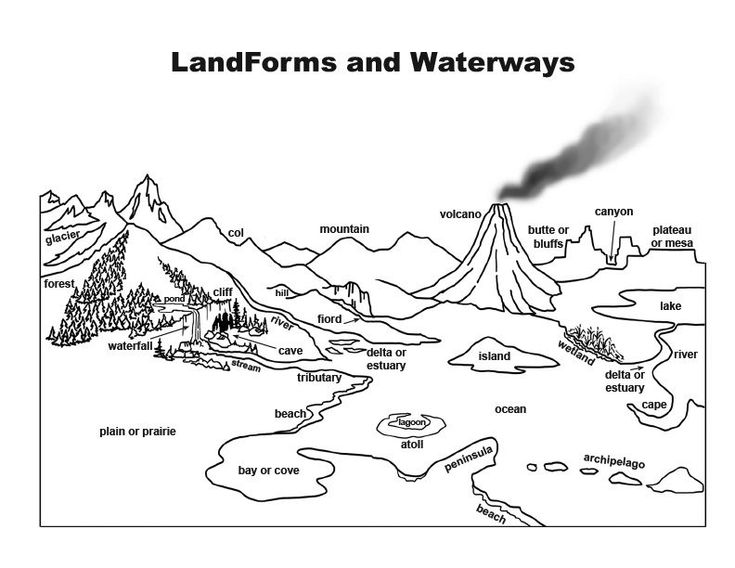
Tips for success: Set a clear, achievable goal for each coloring page session, such as naming two landforms and describing one feature. Prepare a short set of guiding questions, and keep materials accessible for every learner. Allow students to work at their own pace and encourage peer support, so helpers don’t become bottlenecks. If a group finishes early, offer an extension task like labeling features on a simple map or sketching a neighboring landform. Finally, reflect briefly on what worked and what could be improved next time to keep the activity plan flexible and responsive.
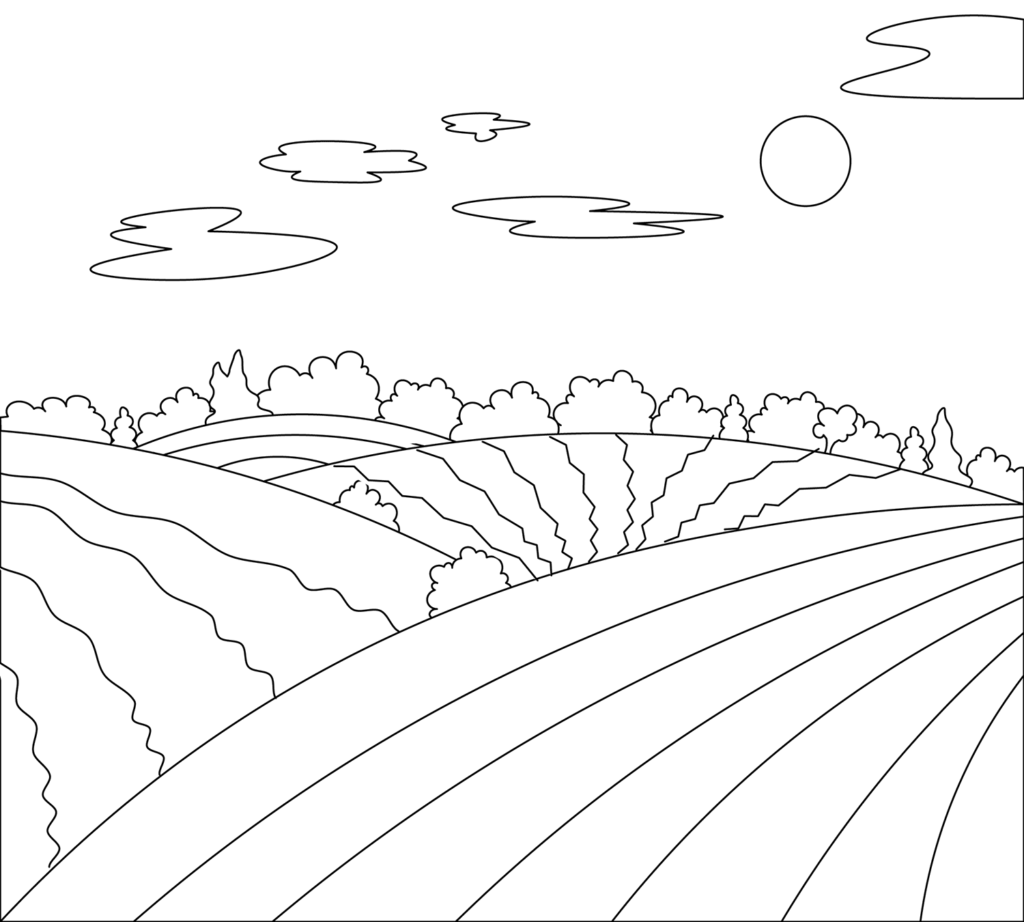
Closing thoughts: Using landforms coloring pages as part of a broader activity plan creates opportunities for observation, discussion, and creativity without overloading learners. Tailor pages to the audience, rotate through different landforms, and pair coloring with quick writing or speaking prompts to reinforce terminology. When you keep the activity light, purposeful, and adaptable, coloring pages remain a reliable component of an engaging geography-focused plan.