Flowering Coloring Pages For Seasonal Creativity
Flowering coloring pages invite a touch of seasonal charm to any creative routine. As a parent, teacher, or hobbyist, you'll discover how these designs invite focus, relax the mind, and let you celebrate blossoms through color.
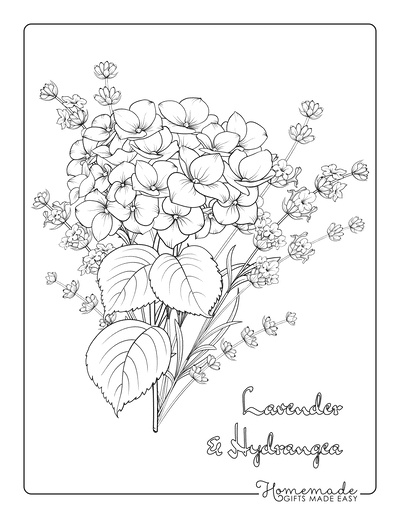
Using these pages during springtime can turn quiet afternoons into tiny art sessions that brighten a space. They work well beside homemade cards, wall art, or nature journals, giving kids a gentle entry into patterns and plant shapes. You can group several designs to compare petals, stems, and leaf shapes, turning observation into color. The simpler drawings provide quick wins, while more intricate pages invite longer coloring sessions and a sense of accomplishment. You can mix floral silhouettes with botanically inspired shapes to broaden curiosity, and these pages pair nicely with nature-themed reading or seasonal transitions in a classroom or home library.
Seasonal color ideas
Turn a single coloring page into a small project by pairing it with simple nature notes. You can sketch tiny plant labels beside each blossom, or add watercolor washes to emphasize contrast between petals and leaves. For a family activity, invite siblings to color different flowers with complementary palettes and then arrange them into a shared collage. If you teach, use a page to introduce basic botanical shapes, then invite students to find real examples in a book or garden while staying within the same color family. Consider keeping a simple nature journal nearby where children can jot down a word or two about what they see. This can be a low-pressure way to integrate observation with color.
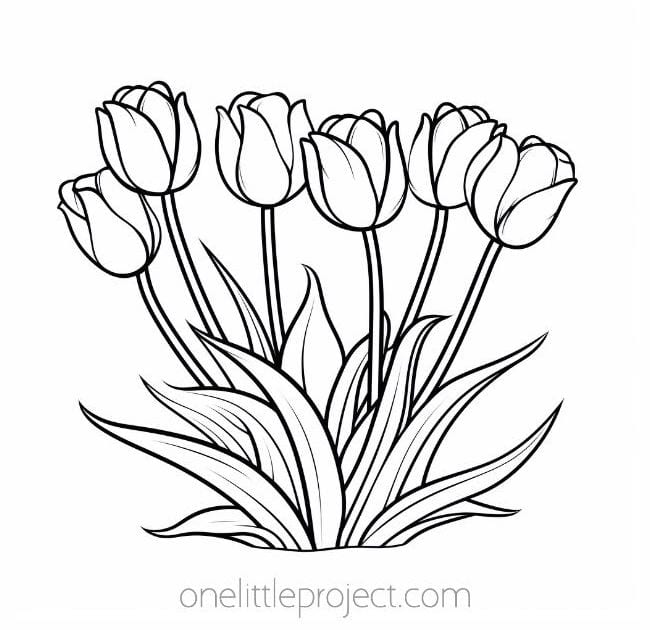
Keep a rotating basket of flowering coloring pages on a coffee table or in a reading nook to encourage spontaneous creativity. Introduce seasonal themes by focusing on flower types common to your region—tulips, daisies, lilacs, or wisteria—and see how palette choices reflect mood. You can pair pages with simple crafts like pressed flower art or handmade greeting cards to extend the activity beyond the page. Encourage older kids to choose a theme, such as blossoms that attract pollinators, and discuss why certain colors feel warm or cool. If someone finishes quickly, suggest adding a border or small doodles around the edges to frame the page.
Practical ways to begin
Set aside a small window of time and create a simple, distraction-free workspace. Start with a palette of two or three colors to keep choices manageable, then add a few accent tones as you go. Try naming your color choices aloud to reinforce memory of hues and relationships between petals and leaves. If you color with a child, take turns selecting patterns and colors, and celebrate completed pages with a tiny display. After finishing, store the page somewhere visible so you can revisit it and think about what to try next. For variety, rotate the designs you work on during the week so the same routine stays fresh.
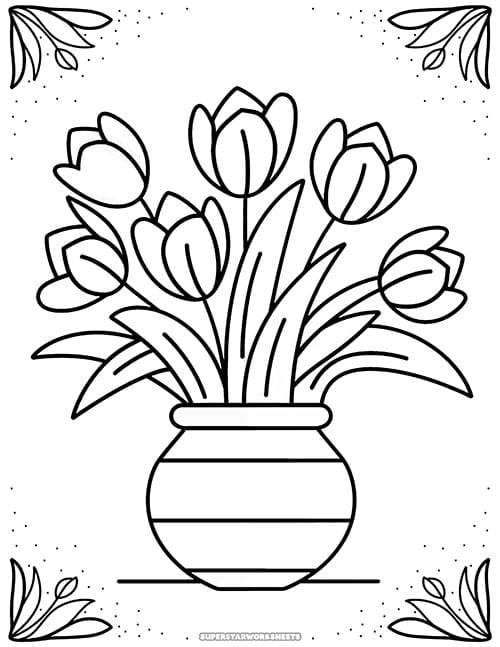
Pair flowering coloring pages with seasonal crafts like homemade greeting cards, garden journals, or seasonal wall decor. These activities are flexible and can be adapted for solo quiet time or shared family projects. The designs here are diverse enough to accommodate different ages and skill levels, from simple outlines to more detailed florals. Keep a small color reference handy and remind yourself that it's okay to color outside the lines when a page inspires a new composition.
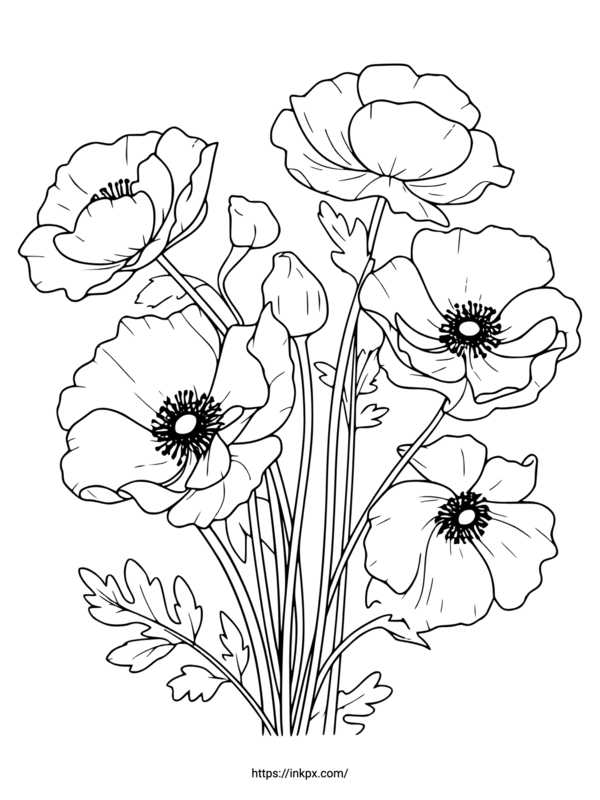
Flowering coloring pages offer a flexible, timeless option for seasonal creativity. They invite you to slow down, notice natural details, and translate observations into color. With a little imagination, any corner of your home can bloom with color. These pages serve as a simple, enduring way to celebrate the changing seasons through art.