Sacagawea Coloring Page: A Family Bonding Activity
A sacagawea coloring page can be more than a keepsake. When family members sit together to color, conversations open up, memories surface, and a quiet afternoon becomes a shared project. This article explores simple, practical ways to turn coloring into a true family activity.
Begin by choosing a design that feels approachable and not too detailed for younger kids. Let everyone pick their own colors and explain their choices aloud so the session feels collaborative. The sacagawea coloring page becomes a prompt for stories, questions, and shared curiosity about history. If a member asks a question you can't answer, model how to explore it together—look up a fact afterward, or invite family lore. You can also rotate who leads the activity so each person contributes ideas and questions, strengthening family dialogue. Keep the pace relaxed and celebrate small moments of connection rather than perfect shading.
sacagawea coloring page tips
During the session, set a relaxed pace and focus on participation rather than perfection. Use simple prompts like 'What colors would you imagine for the river scene?' or 'Who else would you like to learn about from this page?' These open-ended questions invite conversation and bridge generations. If someone just wants quiet coloring, honor that too, then revisit the conversation after a few minutes. Place the page where everyone can see it, and let tray organizers keep pencils accessible. The goal is warmth and togetherness, not competition.
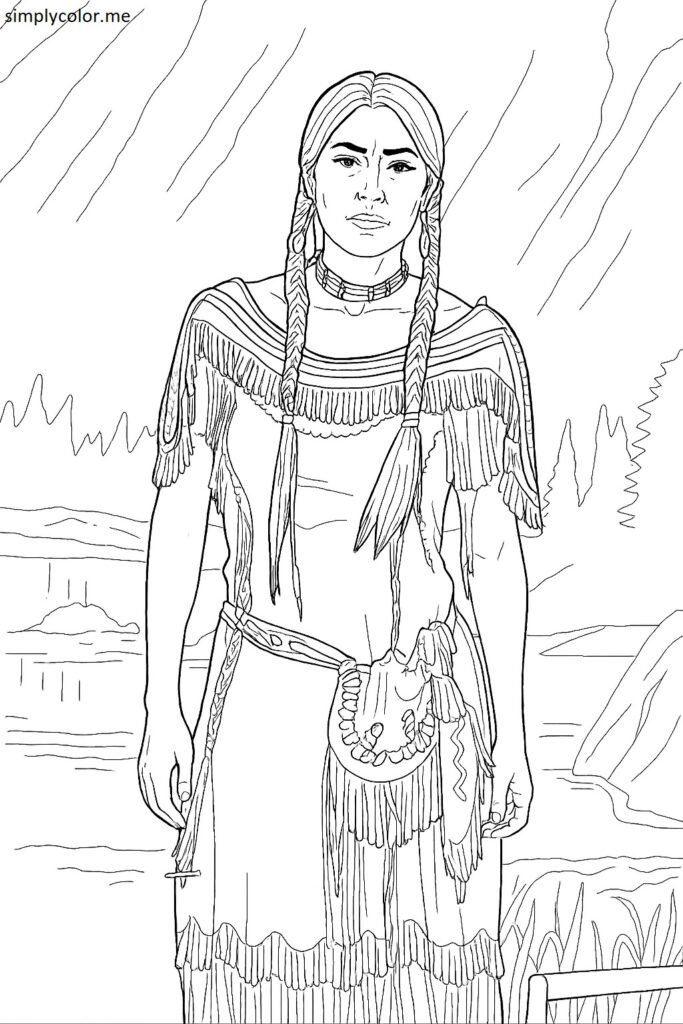
Flexibility is key. A sacagawea coloring page can be used indoors or outdoors, during a travel drive, or as a weekend ritual. Keep supplies accessible and consider a shared space where everyone can see each other's work. As you finish, you can create a small display area or a rotating gallery that celebrates the ideas discussed. A simple cleanup routine at the end keeps the mood light and lets everyone leave with a sense of achievement.
Conversation prompts
Include family-friendly prompts that are respectful and age-appropriate. For younger children, describe shapes and colors; for older kids and adults, invite reflections on teamwork, resilience, and map-reading themes associated with Sacagawea. You can turn the session into a tiny storytelling circle: each person adds a sentence or two about what happened after the page was drawn. If siblings color at different speeds, set a gentle timer for a shared moment, then switch roles so quieter voices have space to speak.
To maintain momentum, end with a brief reflection. Ask everyone to name one thing they learned or one moment they enjoyed. The learning stays flexible—the activity is about connection as much as about art. A simple shared ritual like this strengthens family bonds without needing elaborate setup.
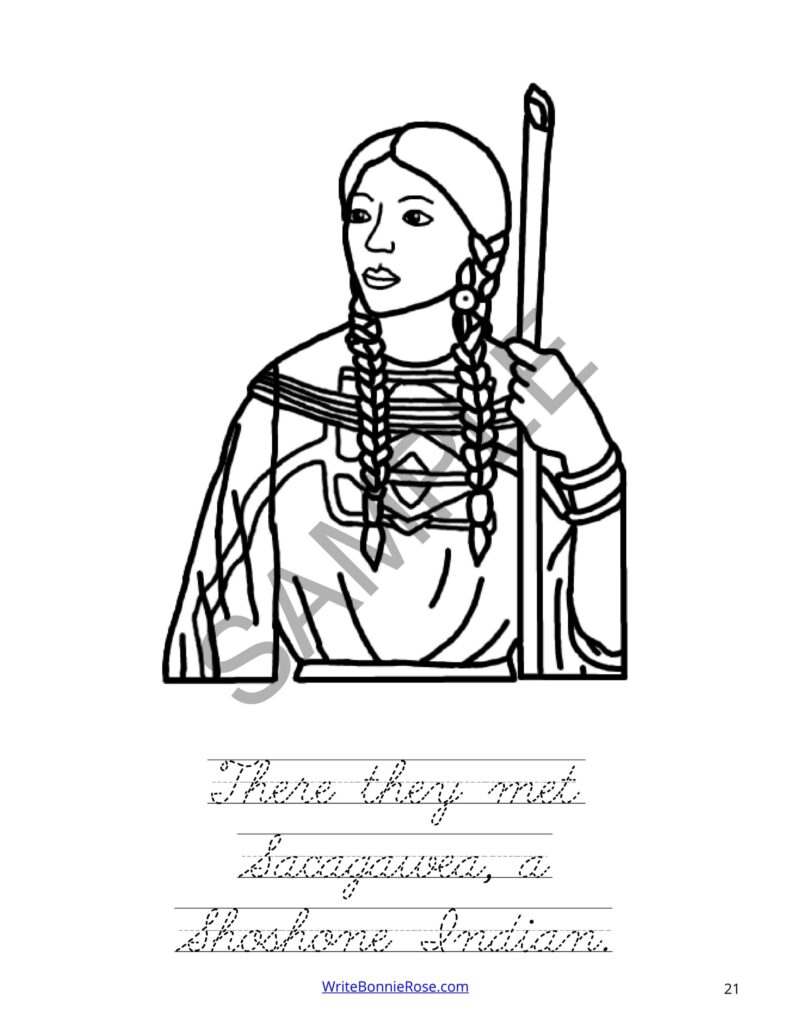
In future sessions, reuse the sacagawea coloring page as a bridge to new topics: a meal planning talk, a visit to a museum, or a family history project. By keeping the activity light and inclusive, you encourage participation from different personalities and ages. Most importantly, the page serves as a starting point for dialogue and togetherness that families can repeat with ease.