Free Printable Challenging Mazes: A Teacher’s Guide To Classroom Problem-Solving
free printable challenging mazes offer a quiet, focused way to kick off problem-solving sessions in any classroom, encouraging perseverance, strategy, and spatial reasoning as students navigate intricate paths at their own pace.
When selecting free printable challenging mazes, aim for a spectrum of difficulty to fit diverse learners. Begin with a guided warm-up that models how to read a maze, then transition to independent work with clear expectations. Encourage students to verbalize strategies, trace routes with a finger, and pause to reassess when they hit dead ends. For differentiation, provide extra challenging mazes for advanced solvers and simpler options for learners who need more support. Pairing stronger students with peers can foster discussion, collaboration, and careful listening. Finally, reflect briefly after a maze; a quick talkback helps solidify problem-solving habits and makes the activity feel purposeful rather than simply fun.
Differentiation at a glance
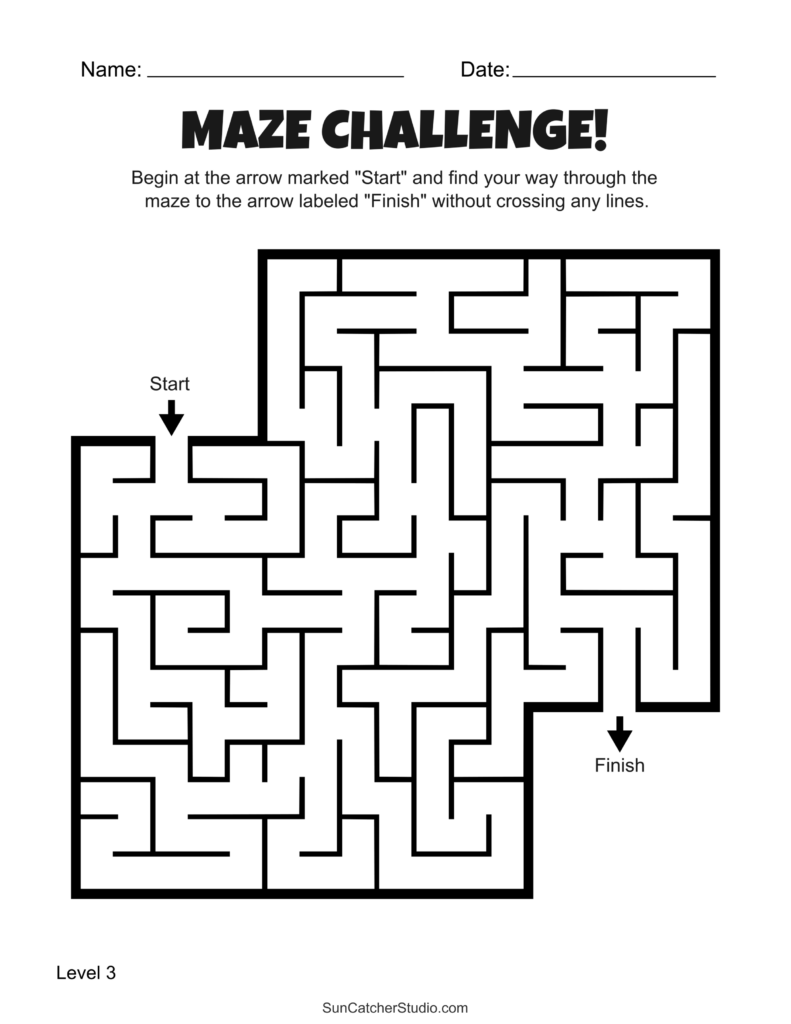
Preparation matters as much as the puzzle itself. Print a few copies for each table, laminate the sheets for repeated use, and provide color-coded pencils to track routes. Consider placing mazes on different whiteboards or wall pockets so students can compare solutions without crowding. You can add a light checkpoint where students describe their path aloud, then hand out a second maze that builds on the same strategy. When extension tasks are needed, invite learners to write a short explanation of the route or relate the maze steps to a recent math or vocabulary objective.
Assessment can feel awkward with puzzles, but use simple methods that honor effort. Collect quick demonstrations or exit tickets where students explain why their chosen path worked. Use a checklist to note perseverance, strategy changes, and accuracy, not just a final answer. Offer two or three prompts to guide reflection, such as 'Did you consider a dead end early?' or 'What changed your approach when you hit a barrier?' Rotate roles so each student practices leading a short maze discussion, which reinforces listening skills and builds a classroom culture where problem solving is visible, valued, and repeatable.
Printing and customization
Differentiate by difficulty, not by math ability alone. Offer longer mazes for independent work and shorter, guided paths for those who benefit from scaffolding. Provide optional hints or a map key so students can check their progress without feeling stuck. Use color practice by assigning routes with specific colors, or require students to verbalize each step before they move. Finally, encourage self-paced work and allow for brief, informal peer feedback. The result is a calm, focused activity that honors diverse pacing while maintaining high expectations for accuracy and thorough reasoning.
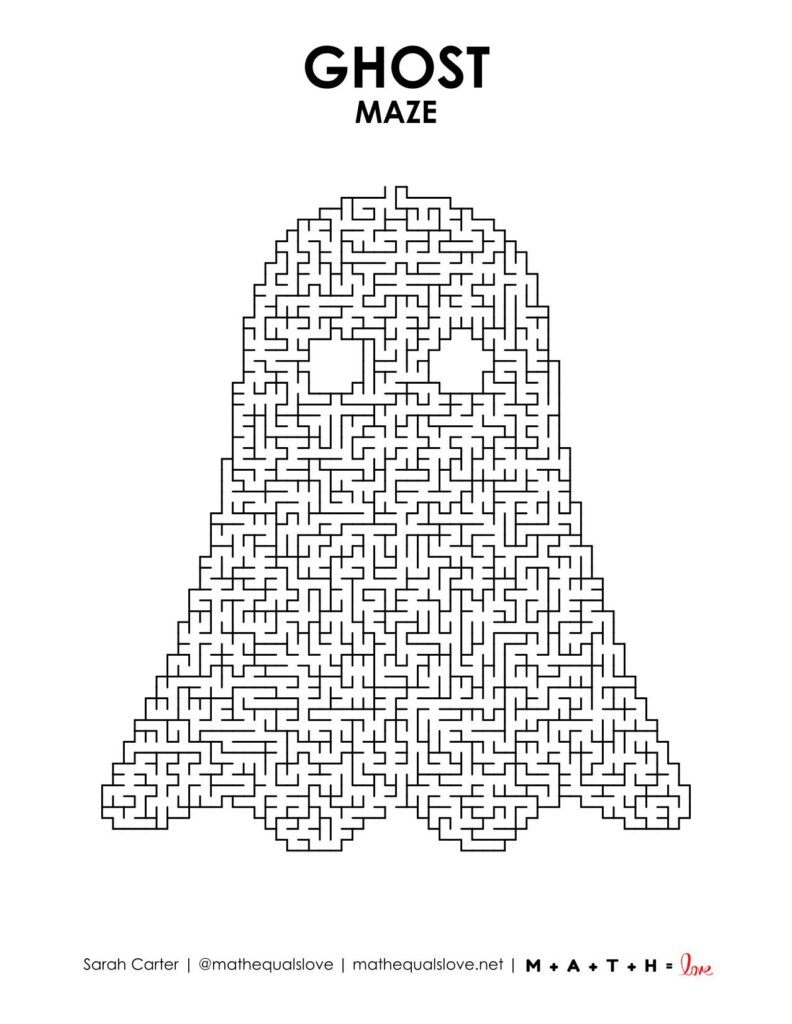
Accessibility matters when you share free printable challenging mazes with a wide audience. Use larger print, clear fonts, and high-contrast colors to support emerging readers. Consider adjustable difficulty by providing alternate routes or designer tips in the margins. For students with motor challenges, encourage tracing with finger or a built-in ruler instead of heavy pen presses. Keep a quiet, predictable routine during maze work so everyone can concentrate, and provide a visible timer or check-in so pacing remains steady rather than rushed.
In closing, free printable challenging mazes are more than entertainment; they are a durable classroom resource that invites careful thinking and steady effort. Frame each maze as a short inquiry: what path reveals the most efficient route, where might a wrong turn occur, and how does your plan adapt? Keep a simple record of versions used and student responses for ongoing growth. With thoughtful selection and clear expectations, this resource supports learners at every level while keeping instruction lively and purposeful. When students leave the room, they carry a sense of progress, not just a completed page.