Coloring Pages Owl: A Practical Guide For Colorful Reading And Crafting
coloring pages owl offer a friendly way to spend quiet afternoons with color and curiosity. This article looks at different owl-themed pages, from simple silhouettes to intricate designs, and explains how they can complement number-focused activities in practical, everyday ways.
Whether you prefer a bold outline for quick coloring or a mandala-style owl that rewards careful shading, coloring pages owl offer approachable options. Pairing these pages with simple number tasks keeps the activity playful without turning it into work. For example, a page might show an owl perched on a branch with a row of numbered leaves, inviting a child or adult to count and color each leaf to match its number. Another common setup is color-by-number where each region has a digit, guiding color choices while keeping the focus on the owl image itself. The variety means you can swap between a breezy page on a busy day and a more detailed scene when you have extra time.
Choosing the right page starts with the viewer's interest and patience. A simple owl outline helps beginners feel confident, while a detailed forest scene around the owl can engage older colorists. If you want a quick activity, choose bold lines with larger color blocks. Keep a few tools handy such as crayons and colored pencils so you can switch textures as the page evolves. The goal is to keep the experience enjoyable and low-pressure, with the owl as the central focus.
Page Varieties
Seasonal or themed owl coloring pages can add variety without changing the core activity. An autumn owl nest might bring in warm tones, while a winter scene can emphasize blues and whites. Holiday-friendly iterations follow the same idea: the owl remains the focal point, but surrounding elements invite different color choices. The key is to choose pages that feel approachable and visually balanced, so you can enjoy the coloring process without feeling overwhelmed.
Coloring Tips
From a practical perspective aligned with number-focused activities, you can weave simple counting into any owl page. For example, count the owl's eye spots, feather tufts, or leaves on the branch, then color each item according to its count. Use a dice roll to decide how many items to color first, or label sections with digits and match colors to those digits. This keeps the activity light and hands-on without implying formal learning outcomes. The joy comes from choosing colors, seeing patterns emerge, and letting numbers guide the process in a gentle, tactile way.
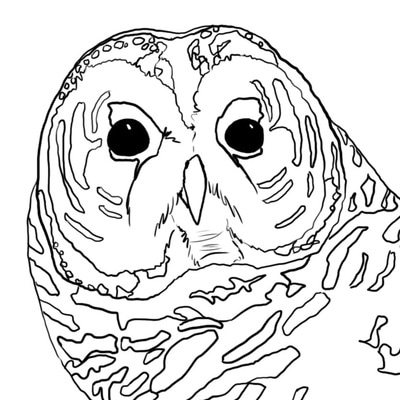
Beyond straightforward outlines, look for owl designs that incorporate symmetry, geometric shapes, or nature motifs. These features invite careful color choices and can hold interest across ages. The emphasis should remain on the activity of coloring and the visual result of the owl, not on scoring or performance. With a steady plan, you can switch between a quick page and a more intricate design to suit the moment.
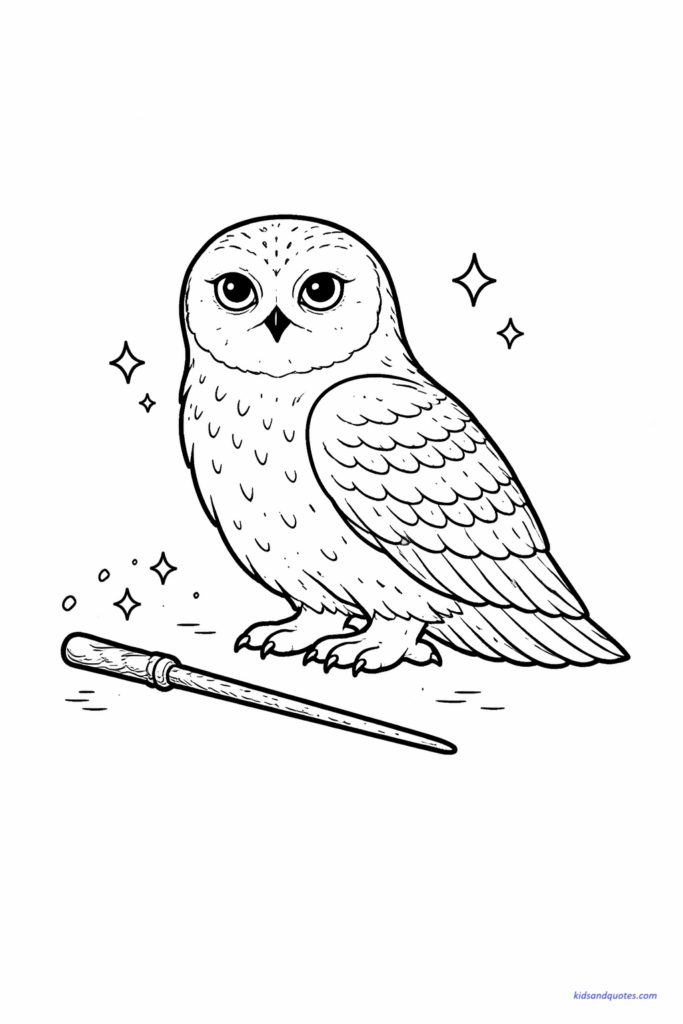
Accessibility matters too. If a page feels crowded, consider enlarging the print or tracing a printed outline to create a broader space for color. For very young colorists, using a single crayon or broader strokes helps keep the experience enjoyable. The flexibility of coloring pages owl means you can adjust the pacing to fit a moment in the day, whether you are coloring beside a nap routine or during a quiet afternoon.
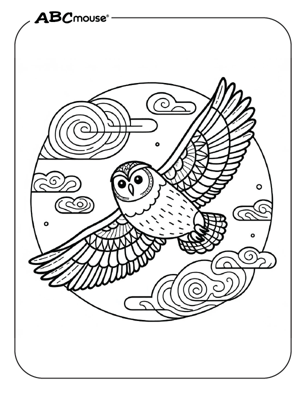
Ultimately, coloring pages owl are a simple, evergreen option for creative time. They invite focus, a bit of counting, and a chance to experiment with color harmony without pressure. Keep a small stack of owl-themed pages handy, and let the choice of design set the mood for the session. Whether coloring solo or with someone else, the owl image remains a friendly focal point that welcomes personal expression.