Coloring Pages Of Donkey Kong: A Coloring Hobby Guide
coloring pages of donkey kong offer a nostalgic, playful outlet for coloring hobbyists who love bold lines and dynamic poses. These pages invite careful shading, bright color choices, and a sense of adventure as the iconic arcade character comes to life on paper.
Whether you’re coloring a portrait of Donkey Kong, a playful chase scene, or a simple character outline, these pages come in a range of detail levels. For casual sessions, start with larger shapes and fill in with broad strokes to build confidence. For more experienced colorists, look for pages with textured fur, subtle shading, and background elements that add context. When you choose a page, consider the level of contrast you want and how many colors you’d like to use. Collectors often enjoy pages that balance recognizable features with space for personal touches, such as customizing the background or adding new accessories. The idea behind coloring pages of donkey kong is to have a focused, enjoyable session that fits into your hobby routine.
Page variety

Coloring pages can lean into different themes within the donkey kong universe, from action poses to seasonal or celebratory scenes. You might find simple pages that emphasize basic shapes and big color fields, or more intricate designs that include textured fur, rope bridges, and jungle scenery. If you’re building a palette, think about warm browns and oranges for the ape, contrasted by greens for the tropical backdrop, with blues or reds for accents. Keep a spare color for highlights to make features pop. Having a few sharp pencils or markers handy helps you adjust shading as you go, and printing a test sheet can prevent surprises when you switch between media.
Practical habit tips also help with coloring pages of donkey kong. Print on good-quality paper if you plan to use markers or water-based inks, and consider a slight border so you can cut cleanly if needed. If a design feels crowded, try breaking it into sections and working in layers, starting with the largest color areas and moving toward the smallest details. Some colorists enjoy labeling colors on the page by writing small swatches in the margin; this keeps color choices consistent across multiple pages. If you’re sharing your work online, photographing with natural light preserves true tones and avoids muddy results. Above all, allow yourself plenty of time to experiment and enjoy the process.
Practical tips

Choosing the right page for a given mood makes a big difference. For a playful, energetic vibe, pick pages with dynamic poses and bold outlines. For a calmer session, look for designs with ample negative space and minimal texture. Experiment with color temperature—warm hues can energize a scene, while cooler tones create distance or mystery. If you’re working digitally, try layering and using a brush set that mimics pencil or marker textures. Digital coloring also allows easy undoing and color swapping, which is handy for comparing palettes. When you explore coloring pages of donkey kong, you may notice how the character's silhouette guides your color choices.
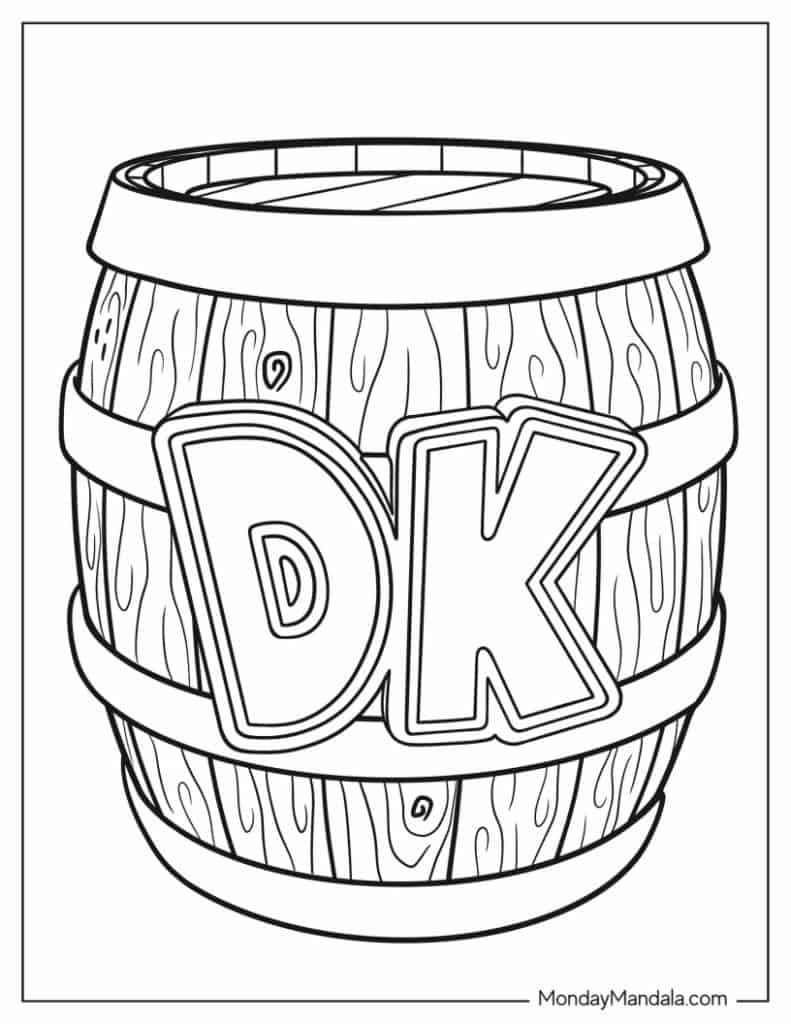
Whether you prefer large, simple sheets or intricate compositions, there’s a balance that fits your routine. Set a timer for a relaxed session or schedule a longer block on weekends to allow shading depth without hurry. If you’re coloring with others, you can host a small swap night, exchanging tips and color palettes while you work. The approach you choose should feel enjoyable and low-stress, with room to experiment. Over time, you’ll notice your own preferences for contrast, saturation, and line density, guiding future choices in hosting or printing more coloring pages of donkey kong.
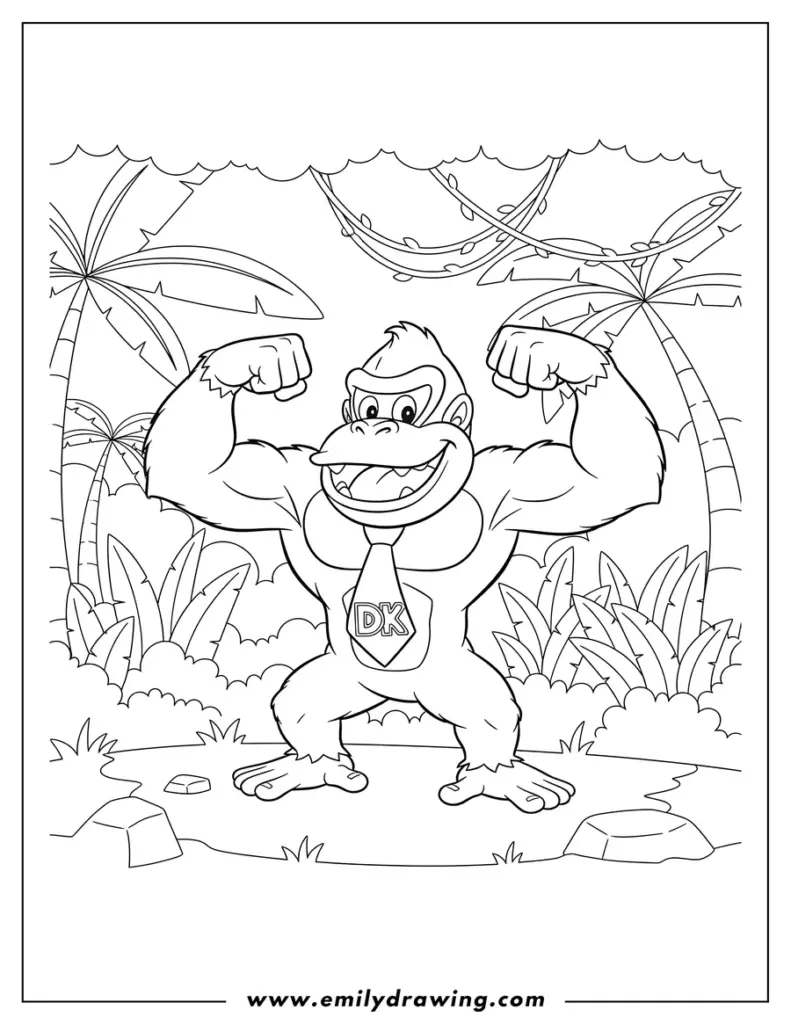
Finally, remember that color is a personal language. Each page you finish becomes a tiny record of your taste and technique, not a test. Use coloring pages of donkey kong as a way to unwind, practice shading, and express creativity in a familiar universe. Keep a small library of favorite pages, stock up on your preferred tools, and revisit designs to test new color schemes. With steady practice, your sessions can feel both relaxing and satisfying, turning simple outlines into lively, finished artworks.