Coloring Journal Pages: Practical Printing Preparation For Coloring Journal Pages
Preparing coloring journal pages for printing can be simple with practical, straightforward steps. This guide speaks to practical preparation readers can do before printing, focusing on clarity, legibility, and predictable results. It lays out quick checks to perform early in the process.
Printing prep basics
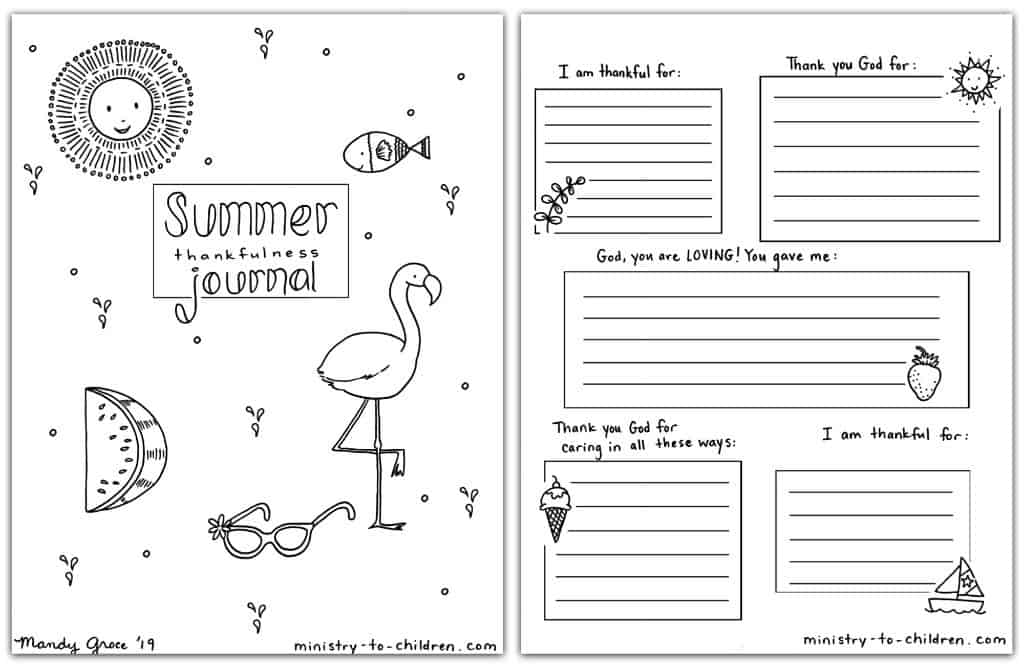
Before you print a coloring journal page, take a moment to review the design on screen and check how the lines will appear on paper. Look for crisper lines, balanced margins, and any stray marks that could distract colorists. Decide whether the page should print in color or grayscale, and consider whether subtle shading will read well in print. If possible, print a single draft page to confirm contrast and line weight, then adjust as needed. These steps help ensure the final result matches the intended look without guessing at the last minute. While you are evaluating, consider the page space for coloring; ample white space can guide choices and prevent crowding. Also verify that the orientation matches how you want it displayed, since a sideways layout can affect how a design feels to color. Small checks like these save time and reduce frustration later. If you work with a team or share files with guests, keep notes about any changes you made so you can replicate them later. Documenting your preferences for line weight, shading, and margins helps maintain consistency across pages.
Print-ready checks
For a smooth outcome, ensure the background remains clean and the line work is not compromised by printer ink. Check margins again so that no important details get trimmed. Consider the page's varied subjects, from animals to mandalas, and adjust the visual balance to suit the coloring style you prefer. If you plan to share the pages with others, keep in mind any distribution considerations and respect copyright where applicable. When in doubt, keep a simple, high-contrast version for testing and a more detailed version for final printing. Also consider whether to watermark or brand the page if it's part of a collection. A final pass after printing to fix any minor issues saves time when you assemble a whole set.
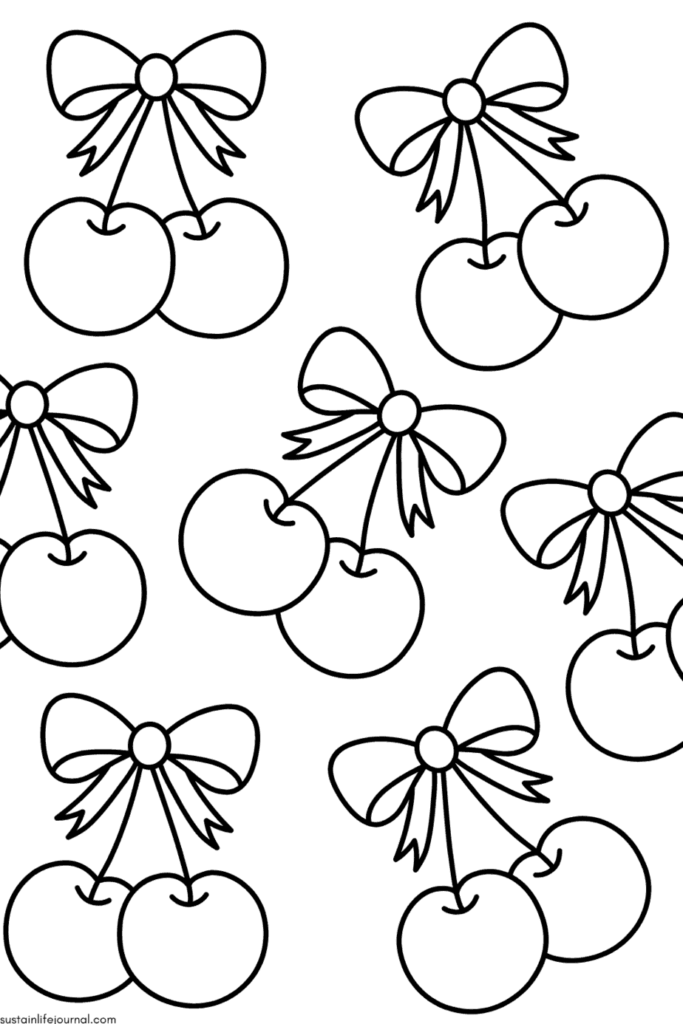
Testing the print on a single page is a practical courtesy to yourself and your printing process. Use a quiet color palette to evaluate how inks or pencils will appear on the chosen page, and watch for areas that may blur or fade under print conditions. If you are aiming for bold outlines, notes on line weight can guide your coloring choices later. Make sure any text or captions remain legible after printing, and adjust brightness or contrast if your printer reproduces tones differently than you expected. Taking these small steps helps you confirm that the final colors and line clarity align with the original artwork, reducing the need for reprints. Additionally, if you notice any streaking or uneven coverage on the test, pause and reset color balance in your viewer before attempting a second print.
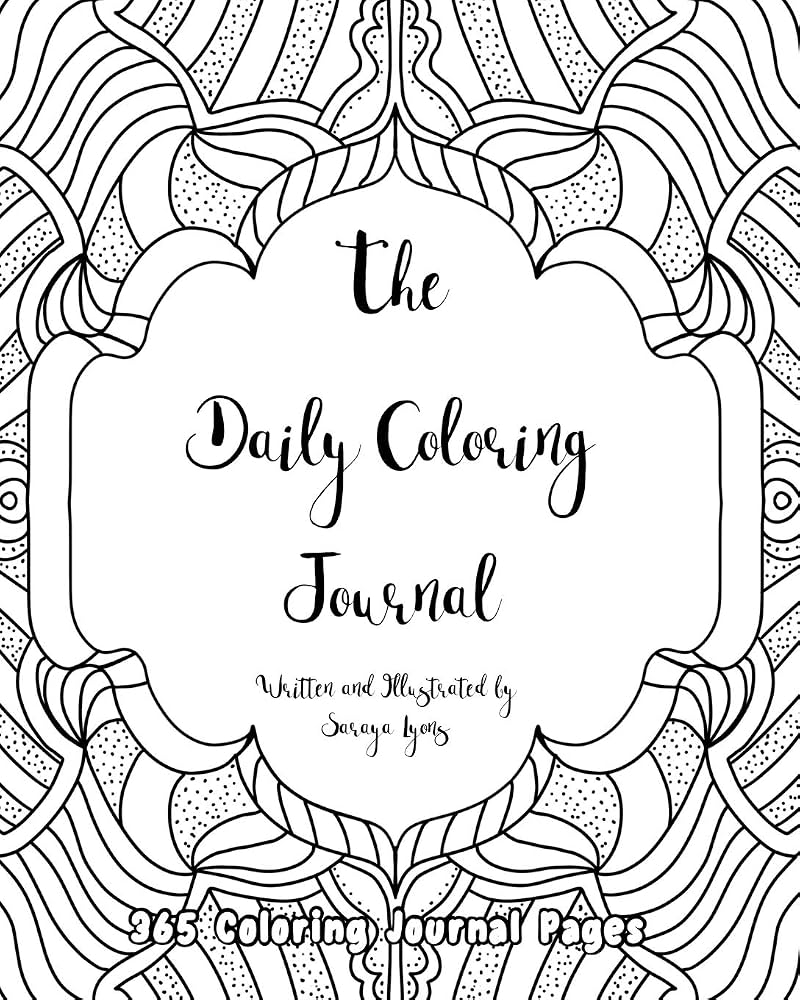
Coloring journal pages span many styles, from playful animals to intricate mandalas or seasonal scenes. When preparing for printing, think about how your subject influences line thickness, white space, and the potential for color blending. A detailed mandala may benefit from crisp, consistent outlines to preserve symmetry when colored, while a simple animal page might rely on generous whitespace to keep the activity relaxing. Regardless of the subject, check that the final composition remains balanced if you print multiple pages together or as a sequence in a journal-like collection. If your site hosts a variety of designs, a quick print test of several pages in one session can reveal whether gearing the contrast or line density needs adjustment across the set. In practice, print a small batch of pages from a new collection to evaluate overall cohesion and ensure the tone carries across designs. If you publish pages online, consider a simple preview image that reflects how the page prints in your chosen method.
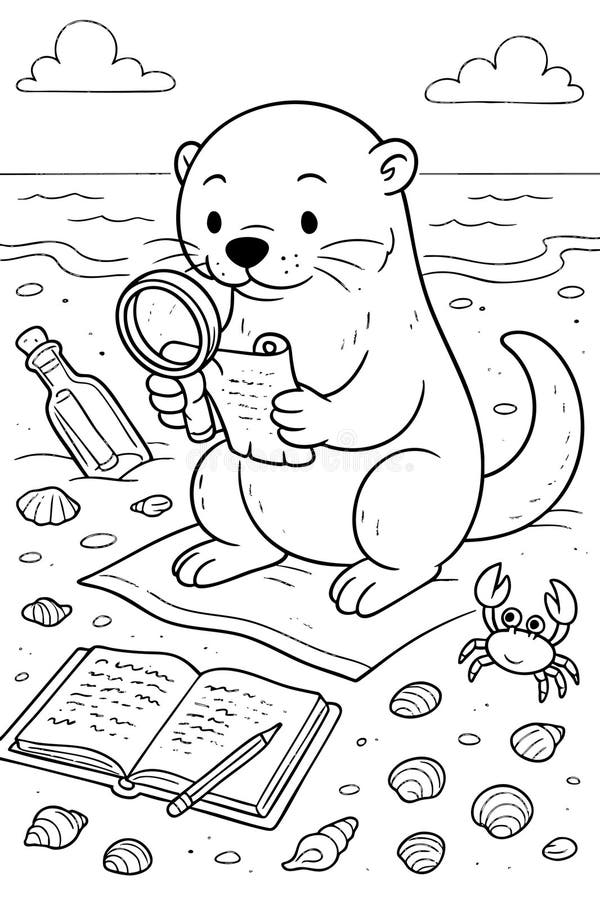
With a calm approach, you can turn any coloring journal page into a clean, print-ready piece. Start with a quick on-screen check, then move to a single-page test, and finally review the printed result after it dries. Keep a simple checklist handy: confirm line clarity, verify margins when you review the page on paper, decide color vs grayscale, and assess readability of any captions or notes. This small routine cuts back on surprises and helps you build a consistent workflow for your coloring page collection. By treating printing preparation as a routine part of creation, you can enjoy the moment you color, knowing the page you print will look as intended and invite a relaxing coloring session. Over time, keep a simple log of the checks and adjustments you make for each print. This helps you replicate success or quickly identify what needs tweaking in future batches.