Skittles Coloring Page: A Caregiver-Friendly Activity For Preschoolers
A skittles coloring page is a simple, friendly activity that helps grownups support quiet, focused time with preschoolers. A basic coloring page invites little hands to explore color, line, and shape at their own pace. For adults and caregivers, it’s a predictable routine that fits a short window between activities or after snack time. By keeping the goal clear and the steps short, you create an approachable task that doesn’t overwhelm a young child. The subject matter—bright colors, playful shapes, and familiar imagery—offers a gentle way to talk about colors and how they mix on the page, without complicated directions. This article stays practical with ideas, simple choices, and tips that suit a busy preschool setting.
skittles coloring page ideas
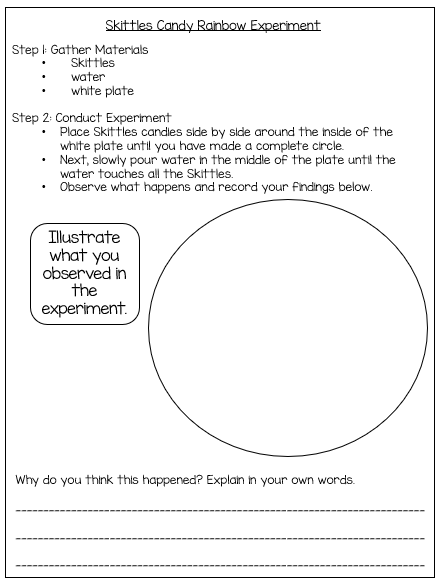
Getting started is easy. Choose one simple skittles coloring page and gather a small set of crayons or markers in bright colors. Present materials in a shallow tray, so little hands can pick what they need without feeling rushed. Offer a single instruction at a time: Color inside the lines or Choose colors you see in a rainbow. Let the child lead the pace; there’s no need to finish in one sitting. If a child loses interest, offer a tiny option like coloring a few shapes and then taking a short break. When you model calm, steady movements—hand over hand support or light guidance—you help a young learner feel confident while they practice grip and coordination.
Materials and setup
Keep the activity manageable by limiting choices. Offer a 4–6 color set and encourage labeling colors aloud. This helps preschoolers connect color names with their choices, supports vocabulary in a non-pressured way, and reduces decision fatigue. If the child completes a section, invite them to repeat the process on another shape or color a border around the design. You can also switch modes: color a few sections, then trace lines with a pale crayon to reinforce finger control. The key is short, frequent sessions rather than long, exhaustive ones. When the child finishes, celebrate the effort with a small, positive remark and a simple, non-competitive closing routine.

Group settings can be a little more dynamic. Allow one at a time while others wait, using a timer or a gentle helper to share materials. If children finish quickly, offer a simple extension: count how many shapes were colored in each color, or point out patterns like stripes or circles. For children who are still learning to hold a crayon, try larger grips or short, guided strokes on the page. The activity also works well alongside other routine tasks, such as circle time or lunch prep, offering a familiar structure that helps kids feel secure during transitions.
Documenting progress can be a light, non-pressured part of the activity. Take a quick photo or keep a simple paper record of colors used, without pressuring for perfection. A small, temporary portfolio can help caregivers see which colors a child prefers and how their hand control is improving over time. Encourage kids to talk about their choices: Why did you pick blue? This supports language use without turning the activity into a test. When you finish, consider a simple cleanup routine: wipe the table, place crayons back in the tray, and place the page somewhere visible for a moment of celebration before moving to the next task.
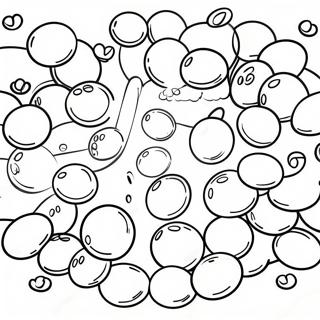
Close the session with a calm, predictable finish. A brief clean-up song or a quick hand-wash ritual signals the end and helps set expectations for future activities. If space allows, display the finished page for a moment to acknowledge effort, then store it in a folder or take a photo for a keepsake. The versatility of a skittles coloring page means you can reuse the same page by coloring it differently on another day, or swap in a new page with similar elements. Keeping activities short, simple, and enjoyable supports a positive association with coloring and with learning through play.