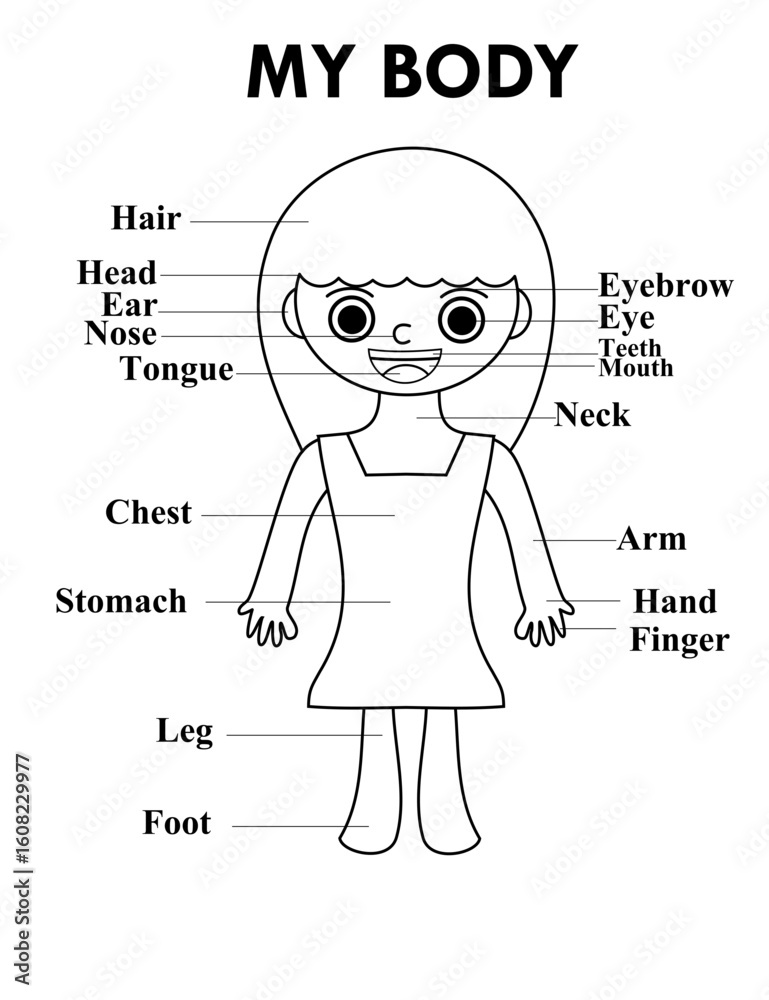
Coloring Page Coloring Body Parts: Organizing Coloring Resources For Educators And Families
coloring page coloring body parts resources can help educators and families organize lessons and activities more efficiently. This guide avoids assuming a single file or storage system, focusing on practical, flexible ways to group and reuse pages across different settings and times.
When you think about coloring page coloring body parts, start by listing core categories: anatomy basics, seasonal themes, and group activities. Organize by topic rather than file type so pages can be reused for practice, review, or collaborative stations. A simple tagging system helps you locate relevant sheets quickly during a lesson or a busy family week. You might create brief notes next to each category to remind yourself where it fits in your plan, such as 'head and face' or 'hands and feet.' If multiple instructors share a resource, agree on a common labeling convention so everyone can contribute without duplicating effort. Finally, plan a yearly refresh: retire older sheets that are not used and welcome new ones that align with current topics.
coloring page coloring body parts organizing tips
Create a central catalog that is easy to browse. You can group sheets by theme, body part, or skill level, then use simple labels so a parent or teacher can pick what fits the moment. Rather than assuming a digital format, offer both printable sets and a quick reference index to support flexible use. If you store in a shared space, place a small index card near the printer with the latest categories and a check-off list for what was printed last. Encourage families to propose additions, which keeps the collection relevant to real lessons and at-home practice.
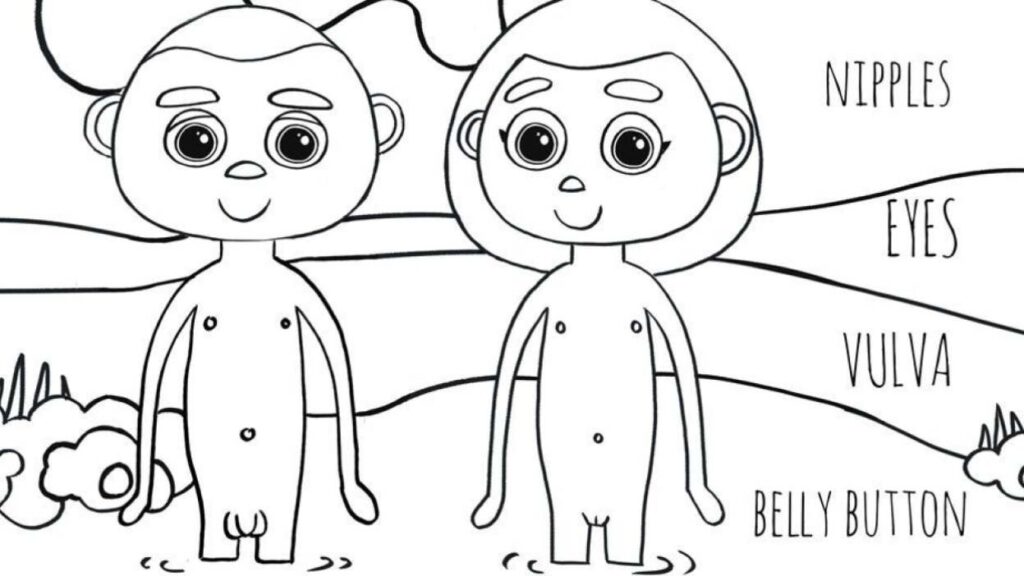
You can keep a small notebook or loose-leaf sheet to track which resources are used most often. Note the age range, approximate completion time, and any adjustments for accessibility. A visible rotation plan helps teachers assign pages without creating bottlenecks, and a family-friendly plan helps caregivers know what to expect during a weekend activity. For larger classrooms, consider a rotation grid that assigns a set of pages to each station so students can move through topics smoothly. Include a quick feedback form for students or parents to learn what works and adjust future selections accordingly.
Resource catalog ideas
Across settings, think about accessibility and inclusivity. Provide large-print versions, high-contrast outlines, and clearly labeled instructions so kids with different needs can participate. Rotating stations help families and teachers share resources, and you can track what is reused most often to refine your collection over time. Build a simple checkout system so a student or family can borrow a sheet and return it, keeping the stack fresh. Pair sheets with optional prompts or small discussion questions to extend the activity beyond coloring, such as naming body parts or describing color choices. This approach keeps the focus flexible and practical rather than prescriptive.
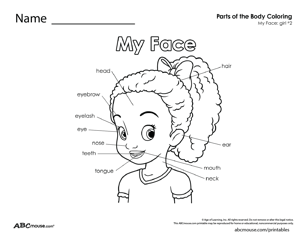
If you work with digital files, rely on a shared index or label system rather than a single download location. Maintain clear rights statements and a quick way to locate the latest version of each page so adjustments can be made without confusion. Think about a printable companion for each digital item, so families can immediately start coloring without searching. A neat, consistent layout across sheets also helps learners notice patterns and increases clarity while keeping organization straightforward for adults.
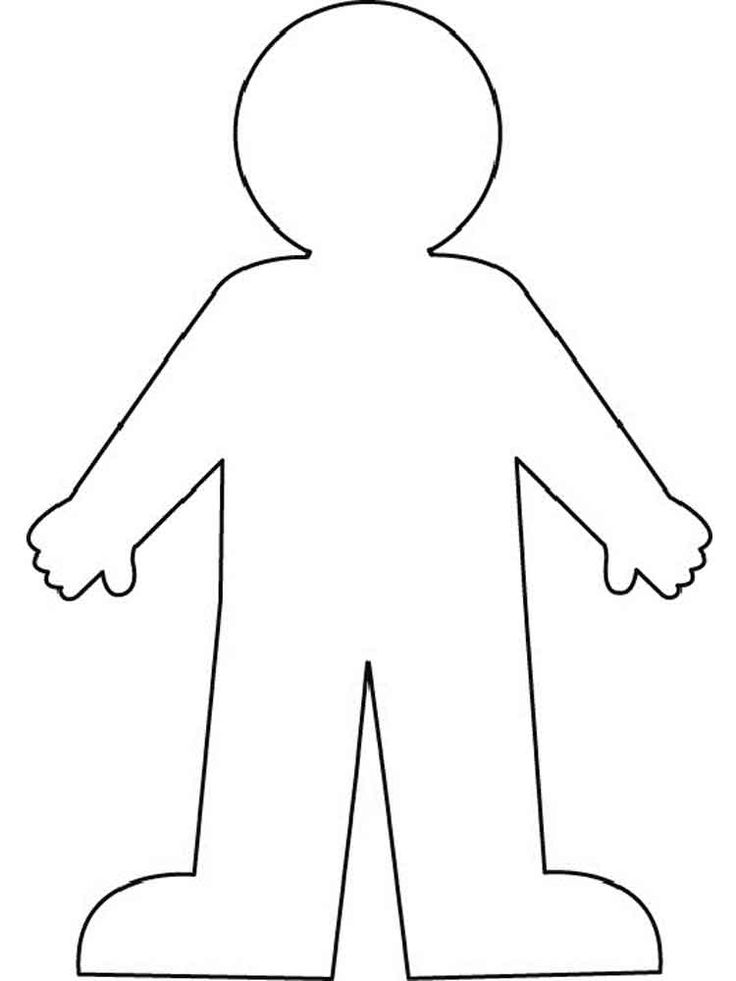
By organizing coloring page coloring body parts thoughtfully, educators and families can spend more time coloring and learning together. The approach is flexible, grows with your needs, and scales from a small home collection to a classroom library. Remember to revise periodically as new sheets come in and keep the focus on what helps kids explore shapes, bodies, and colors.