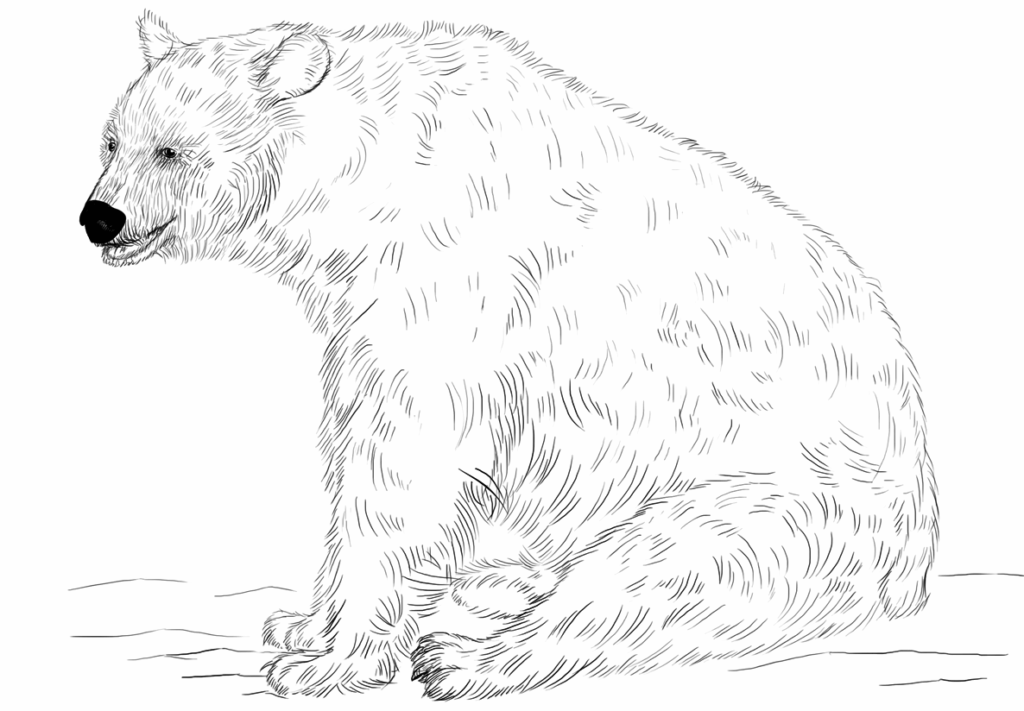
Black Bear Printable: A Creative Workshop Leader’s Guide To High-Quality Printables
black bear printable invites curious hands to explore forest habitats through thoughtful layouts. As a Creative Workshop Leader, I design with intention, balancing play, instruction, and quiet focus to support confident printing at home, classroom, or makerspace.
From a workshop vantage, a black bear printable should invite both curiosity and clarity. I lean into generous margins, bold contour lines, and simple shapes that print cleanly on ordinary paper. The goal is to support learners who are coloring, labeling habitats, or counting days in a nature calendar. By spacing activities, you create room for handwriting, note-taking, and small tips tucked into corners. When I prototype, I test with kids and adults alike, watching where eyes linger and where confusion arises. A well designed page invites exploration without crowding the senses, so the printables become tools for observation, not obstacles to engagement.
black bear printable design
Layout choices shape how a black bear printable functions in real life classrooms and kitchens alike. I favor a modular grid that can be mixed and matched: a large image area, a companion caption, and simple caption prompts that guide observation. When possible, I include a quiet corner for handwriting practice or reflection notes, so the page can evolve as skill grows. I also design with accessibility in mind—clear typography, ample line spacing, and high-contrast black lines on white space – so learners of all ages can engage without strain. The practical aim is resilience: the same page can serve a coloring exercise, a science sheet, or a gamified activity with minimal tweaks.
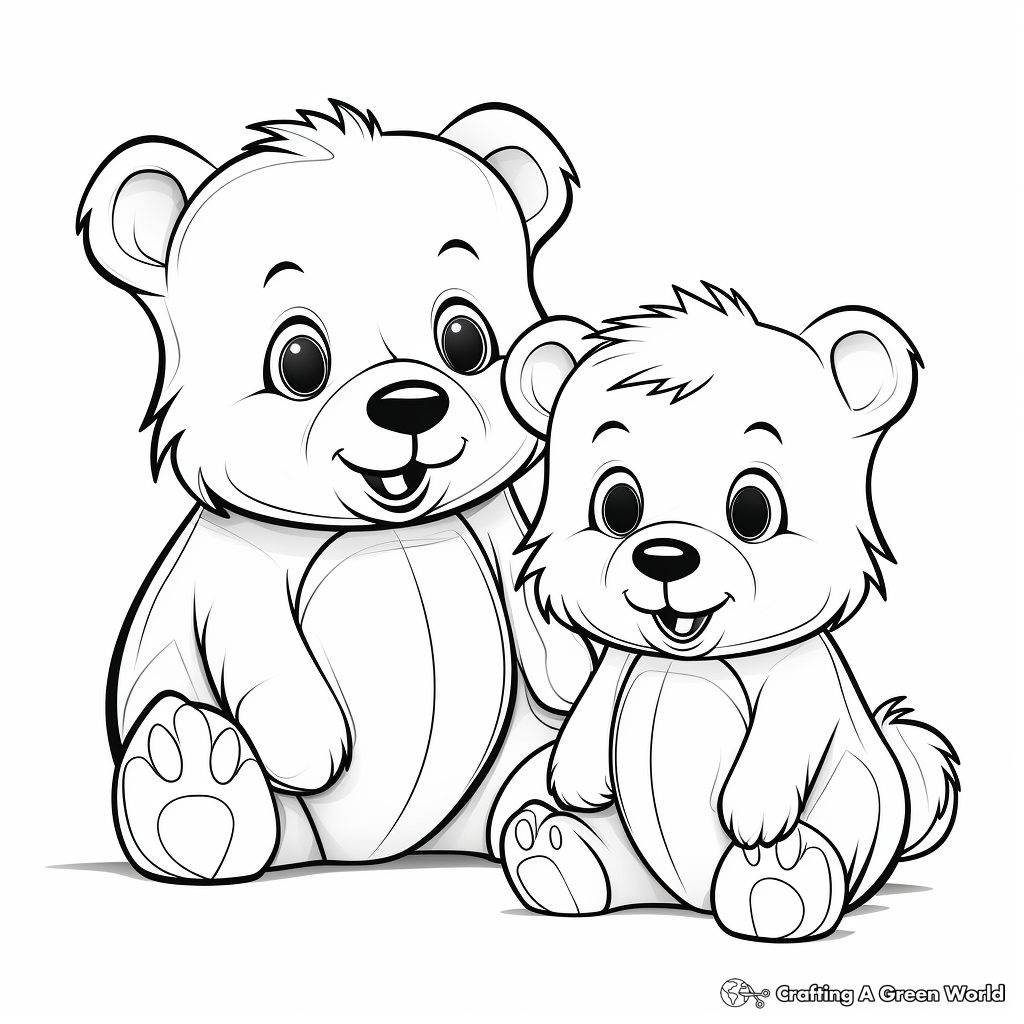
To bring a black bear printable from concept to craft, I guide makers through a simple workflow. Start with a rough sketch that centers the bear, adds a habitat cue, and leaves room for notes. Then test with adhesive and pencil and check how the image holds when reduced or enlarged by a printer. Finally, preview the page in three lighting conditions – bright daylight, dim classroom, and home lamp – to ensure legibility. The last step is to invite feedback: a quick round of comments from learners who use the page helps refine line weight, margins, and prompts. When the design breathes, it becomes a trusted tool for exploration.
Practical uses
Real world uses for a black bear printable range from quiet coloring to structured science prompts. A coloring page becomes a moment of practice in observation, while a habitat worksheet invites learners to sketch, label, and compare features. In a classroom, teams can build a tiny habitat diorama using elements from the page as guides, while a home project could become a nature journal entry. I encourage designers to include prompts that prompt questions like what the bear eats, where it roams, and how seasons might shift its activities. The aim is to blend art and inquiry so the page supports curiosity before instruction.
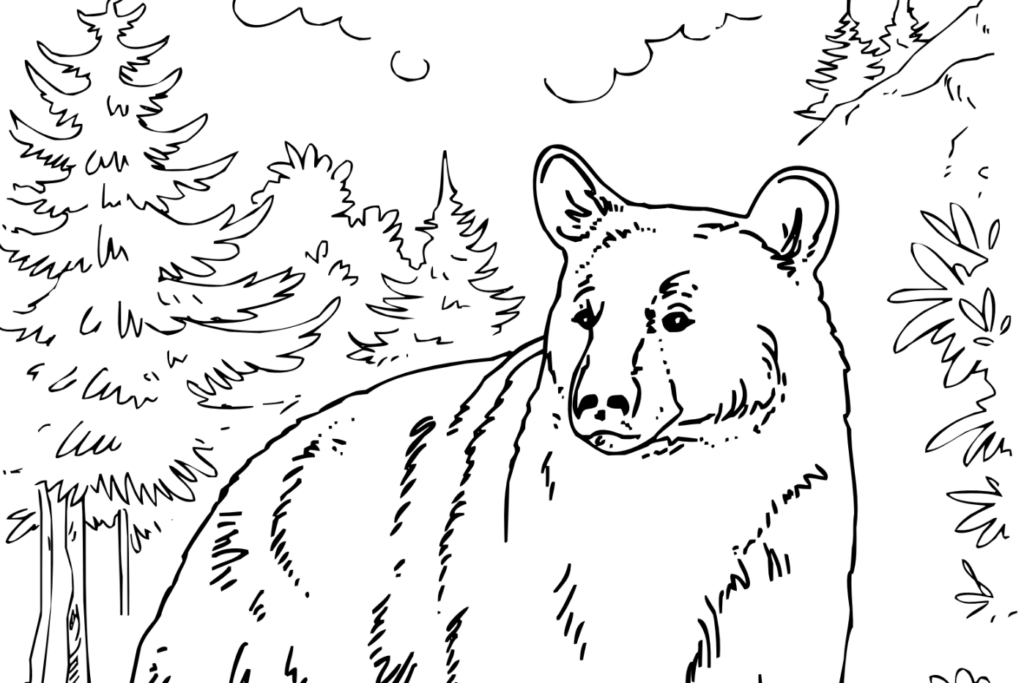
Seeing ideas translated into a tangible page shifts the conversation from theory to hands-on insight. In my workshops, I encourage pairs to discuss what works on a black bear printable and what slows a reader down. The conversation often centers on spacing between elements, how a learner might annotate a habitat map, and where to place tiny prompts that spark questions. I remind participants that a great printable is adaptable: it can be colored, traced, labeled, or used as a quick quiz. By inviting different uses, the design stays lively across ages and contexts, becoming a shared tool rather than a single finished artifact.
Finally, I remind designers that a memorable black bear printable lives in the details. Small choices, how the bear is positioned, where a hidden clue sits in the margin, or a gentle cue for observation, add personality without clutter. A balanced page invites repeated use across activities, so learners return to it with fresh questions. If you keep the process playful and iterative, the printable becomes a reliable partner for educators, parents, and makers who want to cultivate curiosity and careful looking.