8th Grade Division Flashcards: Printable Practice For Mastery
8th grade division flashcards can turn a tough topic into steady practice. This printable resource supports a visual routine, guiding students through long division, partial quotients, and remainders with clear prompts and ample white space for quick review.
As a Learning Routine Coach, I design materials that respect how minds move through practice. 8th grade division flashcards are most effective when legible, organized, and suited to short sessions. A consistent side-by-side layout and color cues help learners compare strategies without distraction. When students see a predictable format—problem on top, steps on bottom, quick checks at a glance—they build confidence and speed. A printable set should invite a quick daily routine, not overwhelm a single sitting. Small rotations through a deck with visible progress markers make mastery feel achievable.
8th grade division flashcards
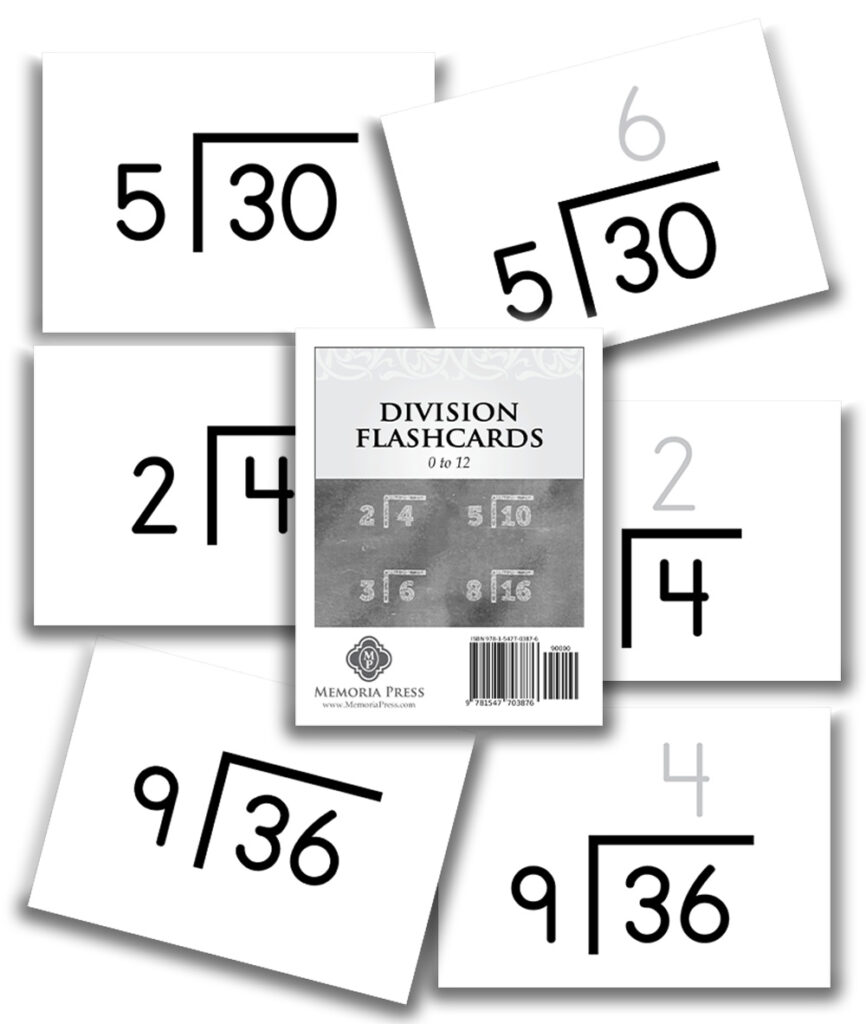
In a printable resource, page design matters as much as content. Use a clean sans-serif font at a readable size, with generous margins and ample white space around each card. Group related problems by operation or difficulty, and provide a simple legend for symbols so students aren’t guessing. A consistent color palette aids quick recognition, while a light grid helps learners align steps. Visual cues—arrows or brackets—guide eyes from one calculation to the next, reducing fatigue during practice. These small design choices let students focus on the math, not the layout.
To maximize retention, use flashcards as a recurring checkpoint in a weekly routine. Start with a quick warm-up of 3–5 cards, then rotate new problems in as students master old ones. Encourage verbal reasoning: have learners explain each step aloud or in writing, so fluency becomes understanding. Pair students for short peer-checks, with a single card at a time and a brief feedback loop. Track which cards are answered correctly and which need another pass, then reinsert those into your next session. For printing, consider color-coded fronts for problem type and blank backs for showing steps.
Progress with purpose
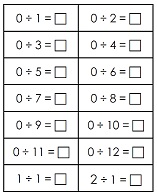
With 8th grade division flashcards, spacing matters as much as repetition. Schedule short, frequent sessions—ideally daily—so memory holds and errors drop. Track progress with a simple visual indicator: count mastered cards, then gradually increase the deck. When a learner struggles with long division steps, suggest a targeted sub-deck focusing on that technique before returning to the larger set. This approach turns a static printable into a living learning routine, where growth is visible and attainable.
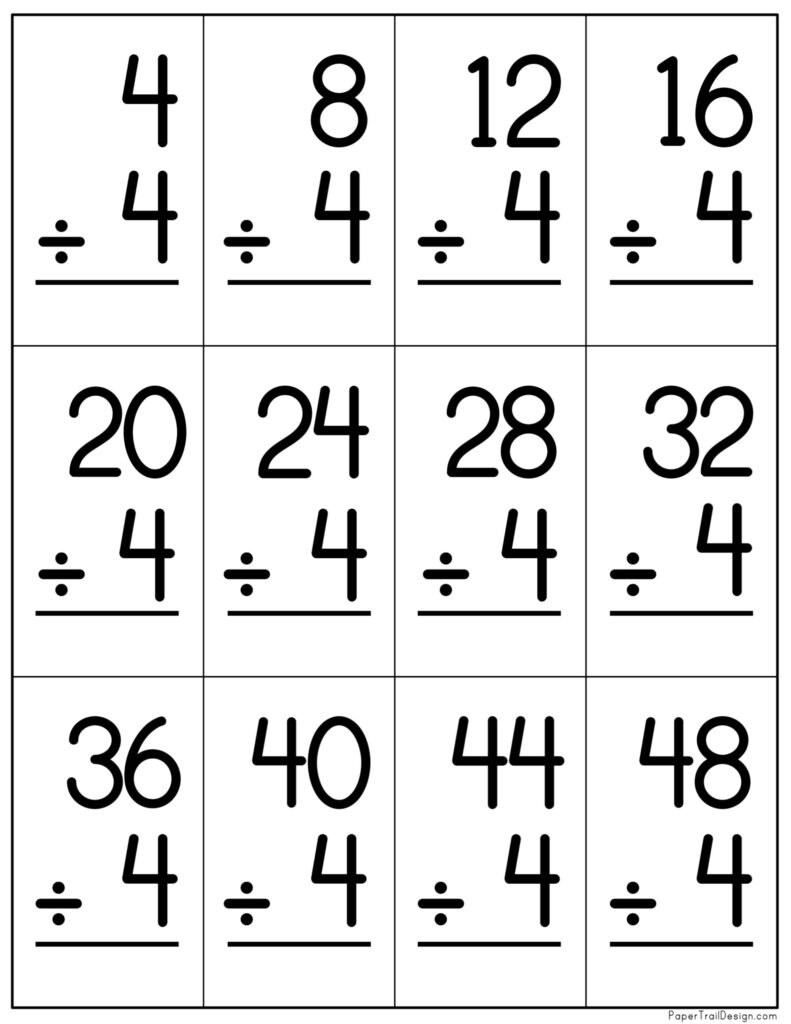
Design for diverse learners is essential. Use larger type and high-contrast color schemes to support visual clarity, and include quick cues for accessibility. Provide scaffold cards with step-by-step prompts and a separate set for independent practice. Include a notes area on the back of cards for strategies that work for each learner. Test the materials with a small group to see which cards invite reasoning and which invite calculation, then iterate.
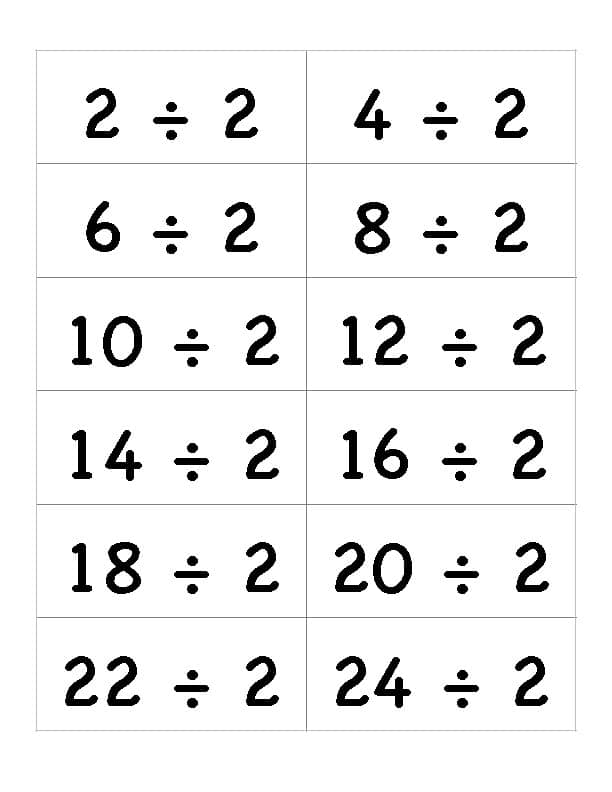
Using 8th grade division flashcards as part of a deliberate, visually aware routine makes division feel accessible. The goal is consistency, clear prompts, and a calm pace that honors progress. When these cards are printed and used regularly, students move from stumbling through steps to articulating strategies with confidence. Encourage families to keep a small personal deck at home for quick practice, and teachers to weave the cards into warm-ups, exit tickets, or quick checks for understanding. With thoughtful design and steady practice, division becomes a reliable tool students carry forward.