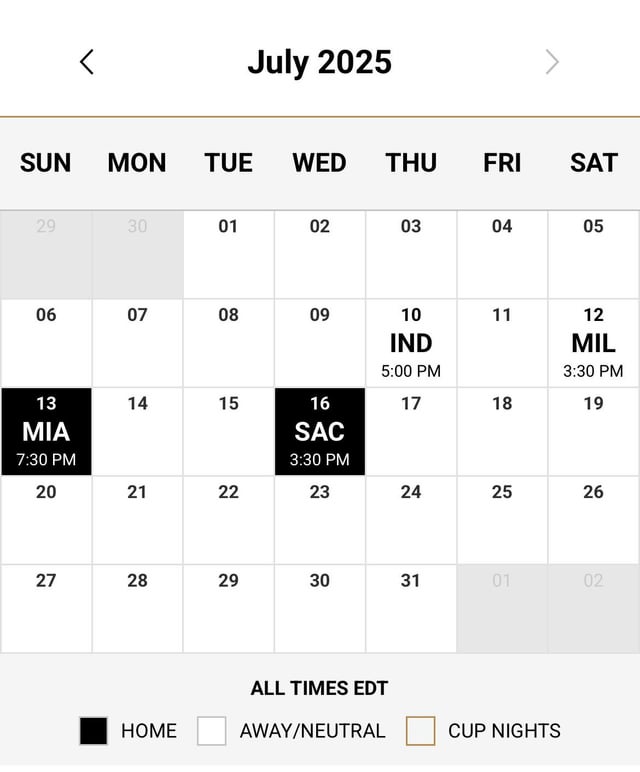
Printable Cavs Schedule: Practical Tools For Family Planners
Keeping a busy household organized during basketball season starts with a clear plan. This printable cavs schedule guide helps families track games, practices, and family time, so chores, homework, meals, and bedtime routines still fit together without feeling rushed or chaotic.
As a family education instructor, I encourage involving children in the process. Start by reviewing the team's calendar together, then decide which entries to color-code. A shared sheet builds ownership, reduces last-minute scrambling, and teaches responsibility in a gentle, practical way. It also creates a predictable rhythm that supports homework time, rehearsal etiquette, and quiet reading after games. When kids see how their choices connect with the whole week, they learn prioritization without feeling overwhelmed. Keep a calm tone, invite questions, and celebrate small wins—like successfully navigating a Monday without calendar clashes.
Cavs Schedule Snapshot
Keep the printable cavs schedule visible at a central spot, like the kitchen fridge or a family bulletin board. Use rows for days and columns for events, so kids can see at a glance where their time goes. Encourage everyone to mark changes promptly and to celebrate small wins when the week goes smoothly. Consider adding a simple legend that explains color meanings, such as blue for games, green for practices, and orange for family time. You can also scaffold the sheet with a weekly goal line—one activity that promotes learning, one moment of rest, and time set aside for connection with a sibling or parent.
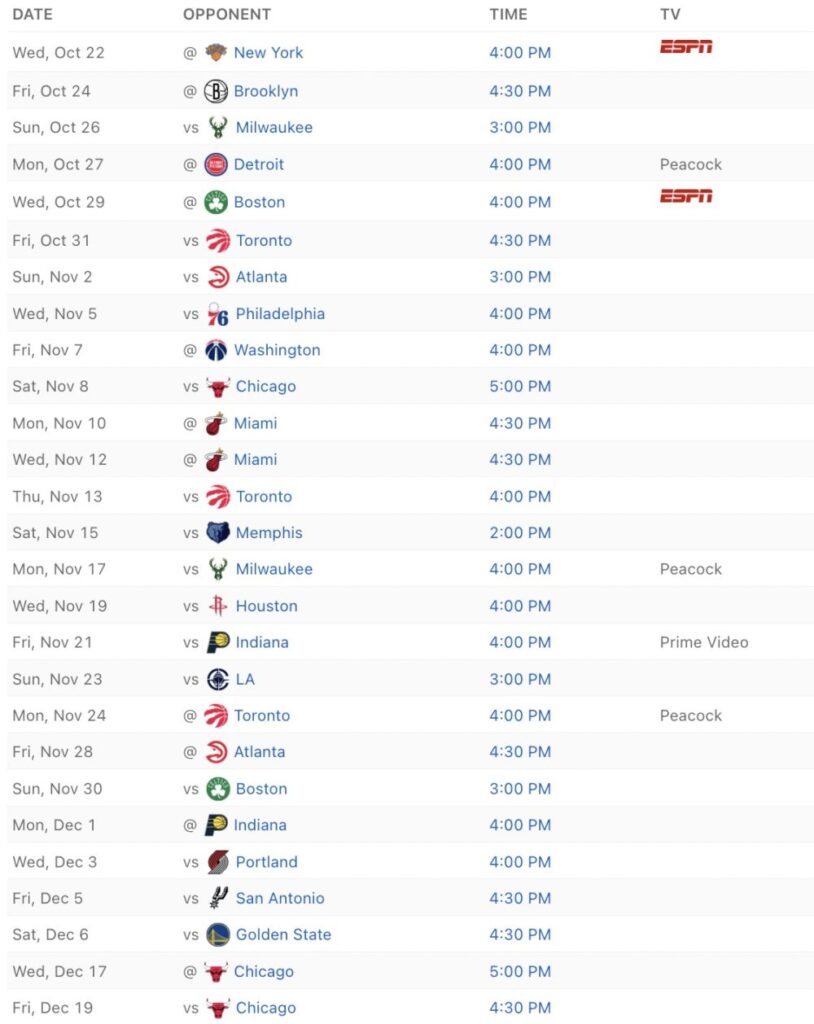
For younger children, use simple icons or stickers to represent games, practices, and rest. With older siblings, add a brief note about who drives to the venue and who stays home with a pet. The goal is not perfection but predictable rhythms that let learning, play, and togetherness coexist. If a game is canceled or rescheduled, have a quick family huddle to adjust. Prepare a small backup plan—like a board game night or a movie at home—that can fill the unexpected gap without derailing the whole week.
Family Engagement Tips
Build a weekly ritual around review and planning. On Sundays, sit together and migrate any late changes, then mark the upcoming week in a color you both agree on. If conflicts arise, talk through alternatives respectfully and adjust the schedule so no one feels overburdened. This approach reinforces communication and teamwork. It also teaches time management, negotiation, and resilience, because families learn to adapt with a calm, problem-solving mindset. Keep a short, mutual check-in after meals to review what worked and what could be improved for the following week.
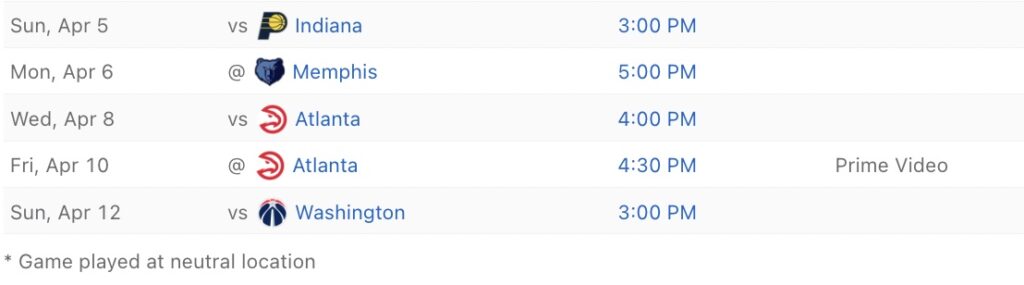
A well-used printable cavs schedule also supports early literacy and basic math. Kids practice reading dates, counting days until the next game, and estimating travel time. Beyond athletics, the routine fosters steady study habits, skill-building, and a sense of belonging to the family team. Encourage older children to draft their own mini-plans for study blocks around game days, which reinforces independent planning. Use a ruler or a simple template to teach measurement and sequence, turning a calendar into a learning station rather than a chore. When families view the schedule as a tool for growth, accountability becomes a shared value rather than a burden.
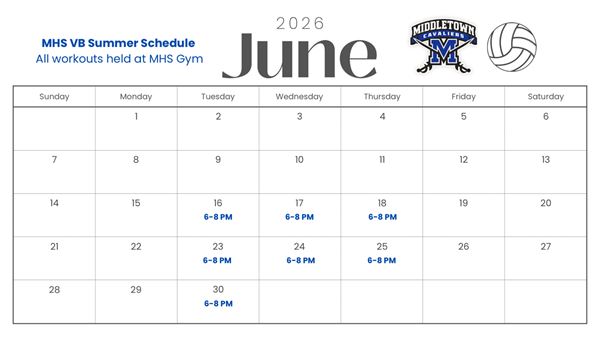
Finally, personalize the printable cavs schedule to reflect your family values. Allow space for family meals, homework blocks, and quiet time. Remember, the best schedules are flexible, kid-friendly, and fun to use, turning a season of games into a shared learning experience. Include a kid’s corner—short notes, doodles, or a weekly gratitude moment—to cultivate positive habits. Revisit and revise the plan every few weeks, not because it is broken, but to honor changing routines as children grow and seasons shift. With patience, your calendar becomes a compass that guides daily life while preserving joy and togetherness.