Greater Than Less Than Equal: A Printable Practice Guide For Home Learners
This printable guide demystifies the three essential symbols for comparing numbers: greater than, less than, and equal. It helps young learners see how numbers relate to each other and turn abstract ideas into simple, colorful practice right at home, greater than less than equal.
Use this printable as a practical math station or a quiet corner activity at home. Start by introducing the symbols with a few friendly clues and a number line you can point to as you narrate. Then give students a mix of single-digit and small two-digit numbers to compare, encouraging them to say aloud which side is bigger and why. Short practice rounds help solidify the idea that the symbol tells you how two numbers relate, not just which one is first. Finish with quick checks to see if they can explain their reasoning to a classmate or caregiver. A tiny scoreboard or sticker reward after each page can boost motivation without turning practice into a chore.
Getting started
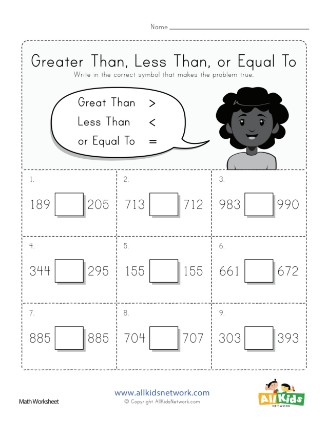
Printable pages often work best when they combine a simple rule with colorful pictures. In this set, you'll find cards you can cut out and pair, plus a few pages that invite students to fill in the gaps themselves. I recommend starting with a few guided examples, then letting learners try on their own while you circulate with gentle prompts. A quiet, focused minute here and there builds confidence, and you'll notice students catching on to the pattern faster than you might expect. Use bold symbols and a clear number line to keep things legible.
The printable activities include matching games, quick-card flip tasks, and short problem sets. Students pair two numbers to decide which symbol fits, then check the answer. You can print color-coded boards for repeated use. These options keep practice light and playful while reinforcing a consistent method for comparing values.
Printable ideas
As children grow, the challenges should grow with them. Begin with single-digit pairs, then move to two-digit comparisons, and finally introduce simple word problems, where they decide if one item costs more or is worth the same as another. When you see hesitation, pause and ask them to explain the landmarks of each decision: the bigger number always wins, the smaller number wins when the symbol points the other way, and equal means they match exactly. Encourage students to verbalize the rule as they decide. A quick recap at the end of each page reinforces memory. With patience, even learners who start unsure can explain the reasoning clearly.
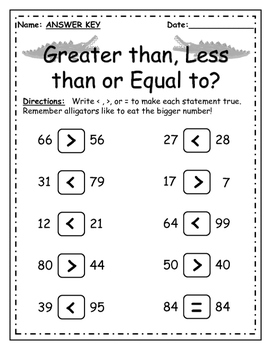
A clear progression helps learners connect the symbol to everyday choices. Start with numbers within a single set, then let kids compare figures across sets as you model the thought process aloud. Revisit the page after a few days so the routine becomes familiar rather than felt new. The goal is comfort with the idea, not perfection in one sitting. Make it a tiny routine: finish with a quick share-out, where each learner states which symbol fits two numbers and why.
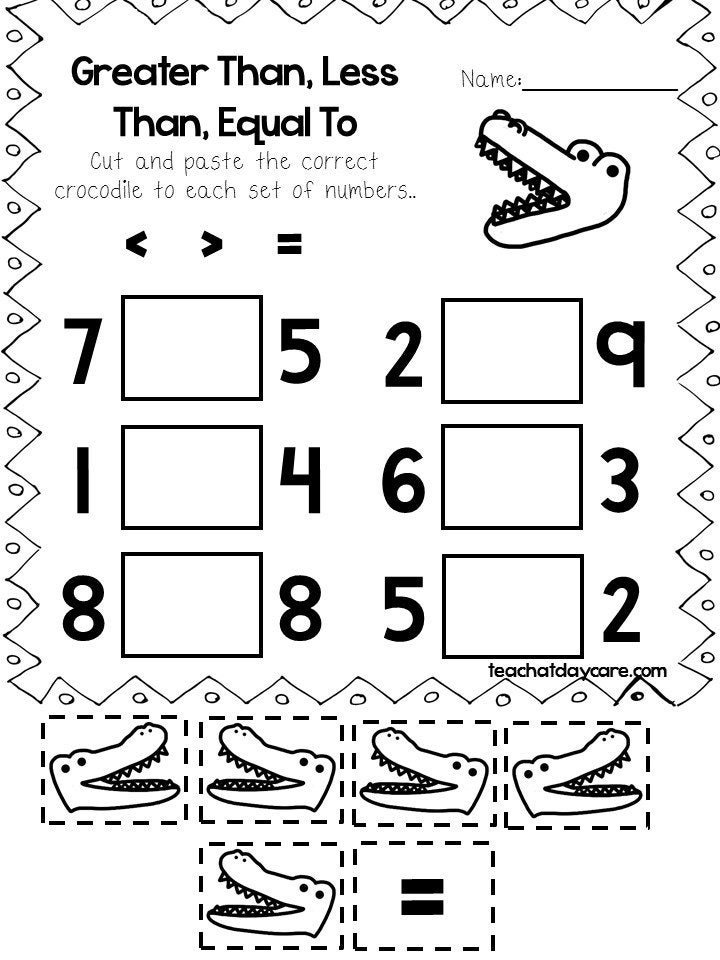
Print this ready-to-use resource and keep it handy for regular practice, quick reviews, or rainy days. A simple routine—two minutes of comparison, a quick check, and a smile of understanding—can build real confidence over weeks. When learners see progress, they're more willing to tackle tougher numbers with the same calm, curious approach. If you print a set of cards, keep a spare stack for when someone finishes early. Encourage parents to ask guiding questions rather than giving answers, such as 'Which is bigger, using both numbers and context?' This keeps students engaged and fosters independent thinking. The printable format supports portable learning, so it can travel to a car ride, a waiting room, or a bedtime routine.