Coloring Pages For Seniors: Quiet Extension Ideas For Early Finishers
Coloring pages for seniors can offer a calm, focused activity for students who finish work early. This article speaks from a teacher's perspective, sharing practical ways to use these pages as quiet extension tasks that fit into a busy classroom day.
As a teacher, I look for activities that stay productive without creating extra noise or friction. Coloring pages for seniors offer low-pressure options when a student completes assignments ahead of time. The key is selecting designs with clear lines and a calm motif that invite patient, independent participation. I also appreciate pages that minimize prep time and fit neatly into early-finisher routines. I keep a few reusable prompts on card stock for quick start-up.
Quiet extension ideas

When you assign a quick extension, keep the expectations simple. Set a gentle time limit and place a small basket of pencils or crayons within reach so students can start without question. Offer a choice of several page styles—an animal scene, a simple pattern, or a nature illustration—so a student can select something that feels manageable. Encourage neat, deliberate coloring rather than speed, and use the activity as a moment to model focus and self-regulation. To keep the setup smooth, keep supplies in a labeled tray and post a short instruction card. If desired, you can frame the page with a simple discussion prompt for later sharing.
Prepare the space ahead of time and consider accessibility. Some students may prefer larger print or pages with fewer, bolder lines. If a page seems too intricate, provide an easier companion page or a tracing option to keep the task approachable. The goal is to provide a quiet outlet that preserves momentum on longer assignments, not to single out or segregate students who finish early. Regularly rotate pages to prevent fatigue and address different interests.
Practical use cases
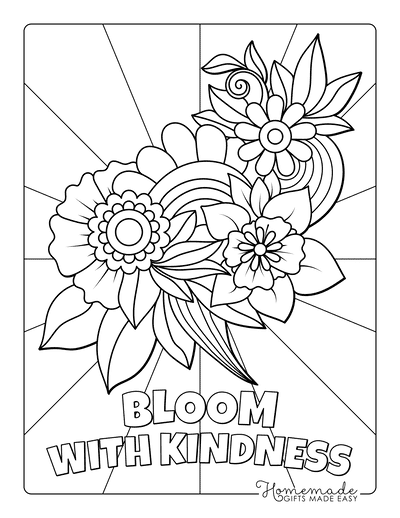
These pages can align with lesson themes without claiming to teach new content. Pair a coloring page with a brief prompt related to the subject—for example, a nature scene that sparks discussion about ecosystems, or a geometric pattern that ties to symmetry lessons. Providing a structure, such as 'color one section and write a sentence about what you observed,' helps students practice reflection while remaining quiet. Keep expectations flexible and respectful of pacing, so early finishers feel engaged rather than labeled. A simple checklist can help students track independence. You can also swap in a couple of themed pages related to upcoming topics.
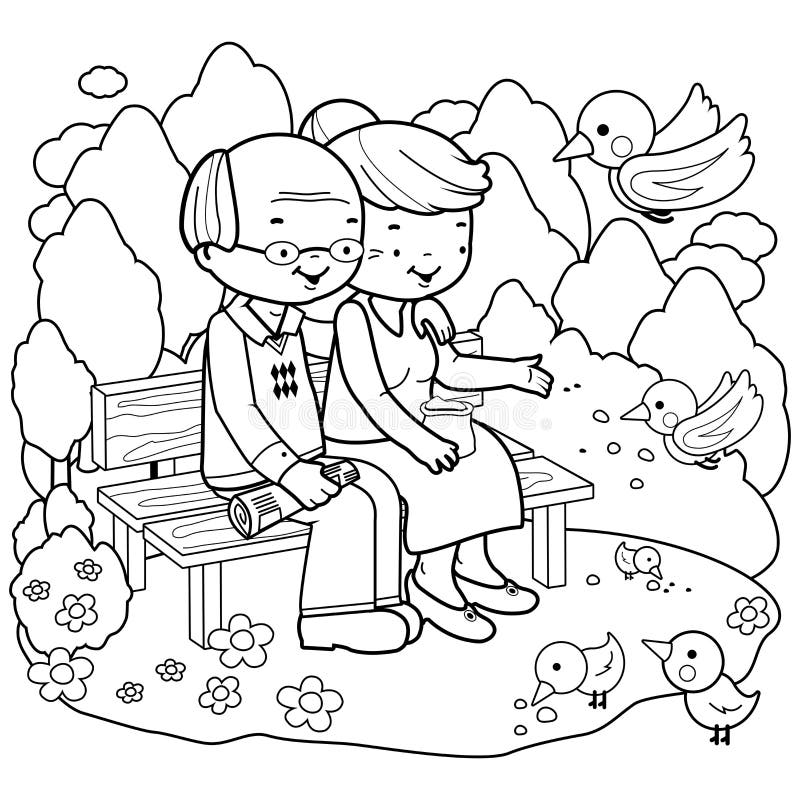
Over time, you can build a small 'quiet corner' in the room with a couple of simple color-themed pages and a few pencils. Keeping a rotating set of designs prevents boredom and helps you tailor the activity to each class. Request student feedback about which pages they enjoyed and which features made the process easier, then adjust selections accordingly while preserving a calm, unobtrusive atmosphere. If possible, tie pages to current topics to reinforce learning without extra work. Use the quiet corner expectations to guide behavior, not to monitor every move.
Used thoughtfully, coloring pages for seniors become a reliable option for extending learning without disruption. They offer a gentle way to acknowledge finishers, support independent work, and maintain classroom flow. If a page feels too challenging, pivot to a simpler option or let a student return to their desk with a short, restorative coloring task. The aim is to provide usefulness for teachers seeking quiet, constructive routines during busy days. A quick log of likes and challenges helps you refine the pool of pages over time. The goal is practicality and calm in the classroom.