Draw Tim Burton Style: A Practical Printable Workshop Guide For Makers
As an Activity Design Specialist, I shape hands-on sessions that turn curiosity into printable practice. This guide invites you to explore the quirky, gothic edges of draw tim burton style with simple prompts and sketch sheets you can print and use.
A Tim Burton-inspired drawing becomes approachable when you break it into repeatable steps. In this workshop, you map characters, settings, and mood with simple prompts, bold outlines, and exaggerated proportions. The printable resources act as your anchor, giving you a repeatable process instead of a single artwork. With practice, energy shifts from fear of drawing to curiosity about storytelling through line and silhouette. Have learners narrate a tiny moment—a swinging lantern or a lanky figure—to reinforce how pose drives mood. A few reference images or mood words beforehand speed decisions and keep results confidently Burton-inspired.
draw tim burton style
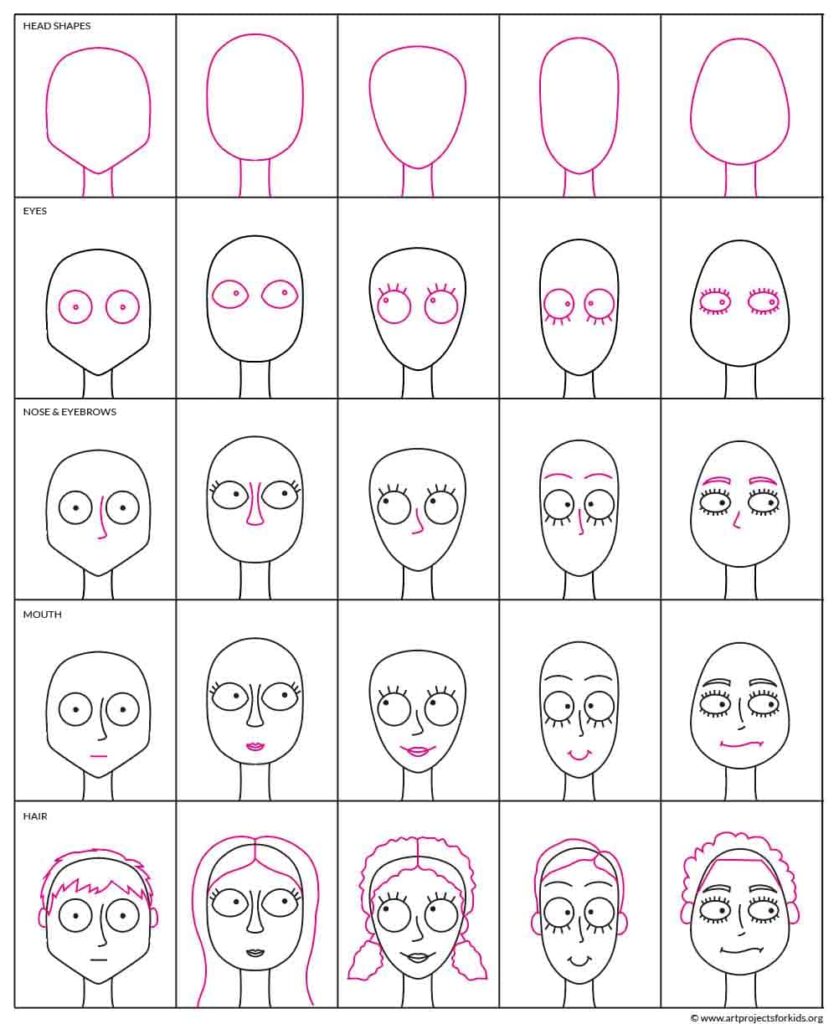
Before you draw, prep your workspace with a light grid, thick paper, graphite pencils, and a kneaded eraser. Start with mood boxes: adjectives like eerie, whimsical, and lanky, then sketch elongated shapes that capture posture and gesture. Work in three passes: rough gesture, confident line, then selective shading. A printable checklist helps track progress and keeps sessions focused. For differentiation, offer a two-tier page: prompts on one side, blank space on the other. End with a reflection note and a quick critique checklist so learners see how line weight changes mood.
Try a three-step template for each character: silhouette first, then facial features, then clothing accents. Keep scale playful, with oversized heads or spindly limbs that nod to Burton's style without confusion. Use a consistent nib or brush pen to strengthen the look, and print samples so learners can compare before and after. Add two or three color prompts and a swatch page to test schemes. Encourage flipping silhouettes or swapping features to see how small changes shift personality. Finally, save the best version as a reference.
Practical templates
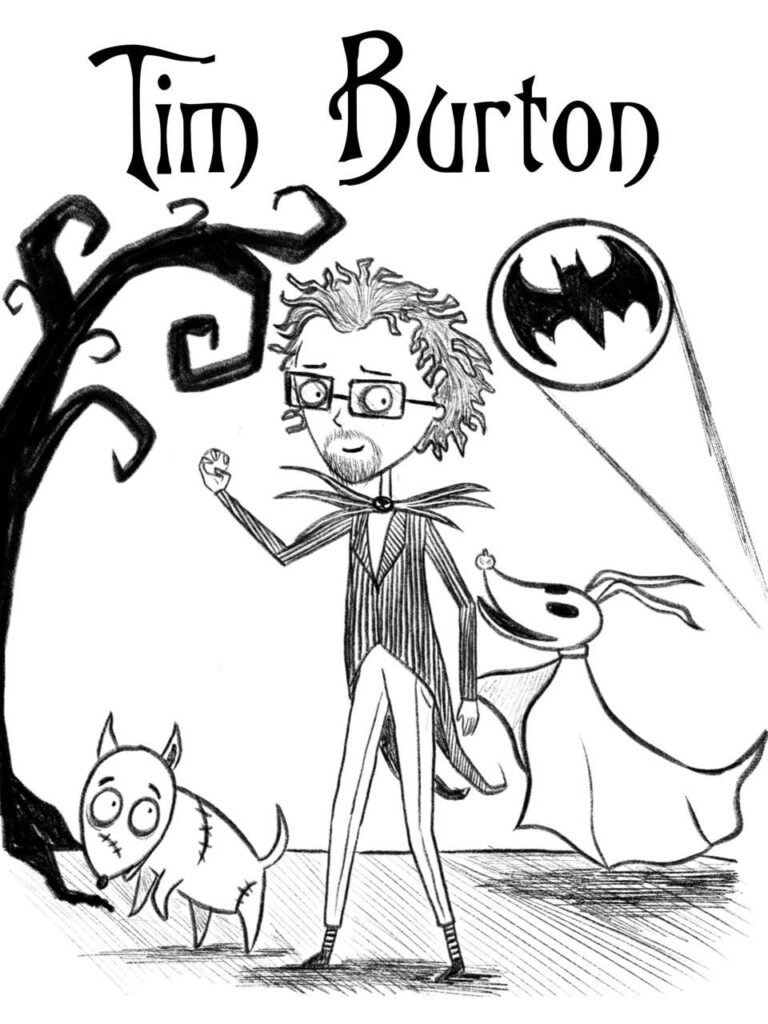
Printable page types you can develop include a coloring page, a guided worksheet, and a small design planner. Each format reinforces practice: color balance, line weight, and mood. Encourage learners to swap prompts and create a short sequence that tells a tiny story in a single frame. To build stamina, run a three-week mini-series: silhouettes, then facial features, then clothing and scenery. A simple rubric helps teachers give constructive feedback while keeping momentum.
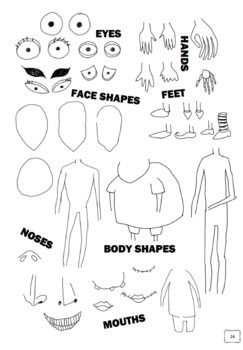
Layout tips for printing include generous margins for room to color, high-contrast black lines on white paper, and avoiding overly dense details that dim on screen. If you plan multiple pages, keep a consistent header and footer for a cohesive set. Provide a simple legend linking mood words to line choices and shading hints. For instructors, attach a quick-start sheet with classroom adaptations, a pacing guide, and a few alternative prompts for varied skill levels.
Finish with a brief reflection and a gallery plan. Encourage learners to iterate on at least two characters, try different contrasts, and save a copy of the printable as a starting point for future drawings. Share tips on adapting shapes to fit different stories so you leave learners with a practical path to draw tim burton style anytime. Remind participants to build a personal reference library of silhouettes and mood words for quick inspiration.