Jared Goff Coloring Page: A Practical Lesson Extension For Classrooms And Families
A jared goff coloring page can be more than fun art; it can become a springboard for small, focused lessons. This article explains practical ways to use it as a lesson extension rather than a replacement for core activities.
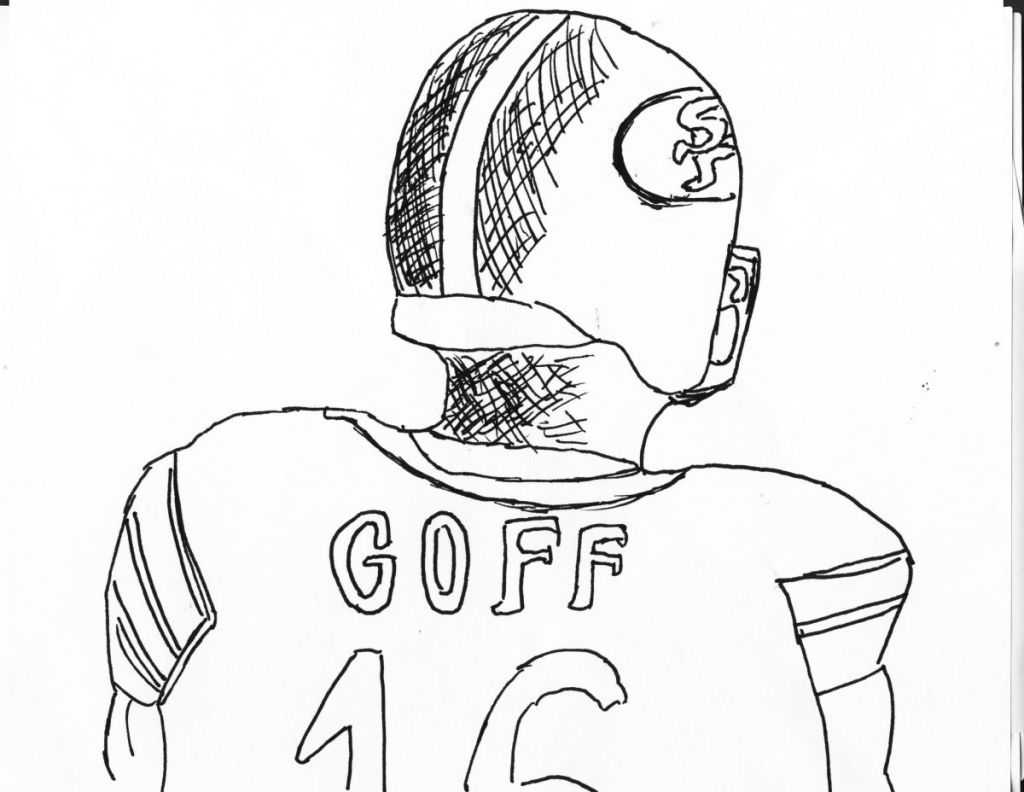
Using this coloring page alongside a brief discussion helps reinforce context without overshadowing the main activity. Start with a quick reading about the role of a quarterback and a simple map of the field, then invite students to color while you point out positions. Afterward, ask small, specific questions about why different colors might represent different zones or players. To keep the lesson balanced, set a time limit, provide a printed key for color coding, and remind learners that the page is a visual aid, not a biography.
jared goff coloring page
In math and data literacy, this page can become a friendly prompt. Have students count the number of players depicted, estimate yard lines, or compare offensive formations using color-coded labels. For language art, use the image as a prompt for a one-paragraph description or a short dialogue about teamwork on the field. You can also turn the scene into a tally chart or a simple Venn diagram comparing offensive vs. defensive roles. Including a quick drawing task, like sketching one additional play, helps deepen engagement.
Practical setup matters too. Choose a clean printing option, provide a few color choices, and keep a simple rubric for the extension activity. Pair the coloring page with a mini reading, a quick vocabulary check, or a partner discussion to maximize engagement without turning coloring into a gatekeeping task. This approach respects varied classroom rhythms and home learning needs. For a home use situation, consider providing a family-friendly prompt that invites discussion about teamwork or sportsmanship after coloring. Accessibility helps too: offer high-contrast outlines or large-print versions when possible.
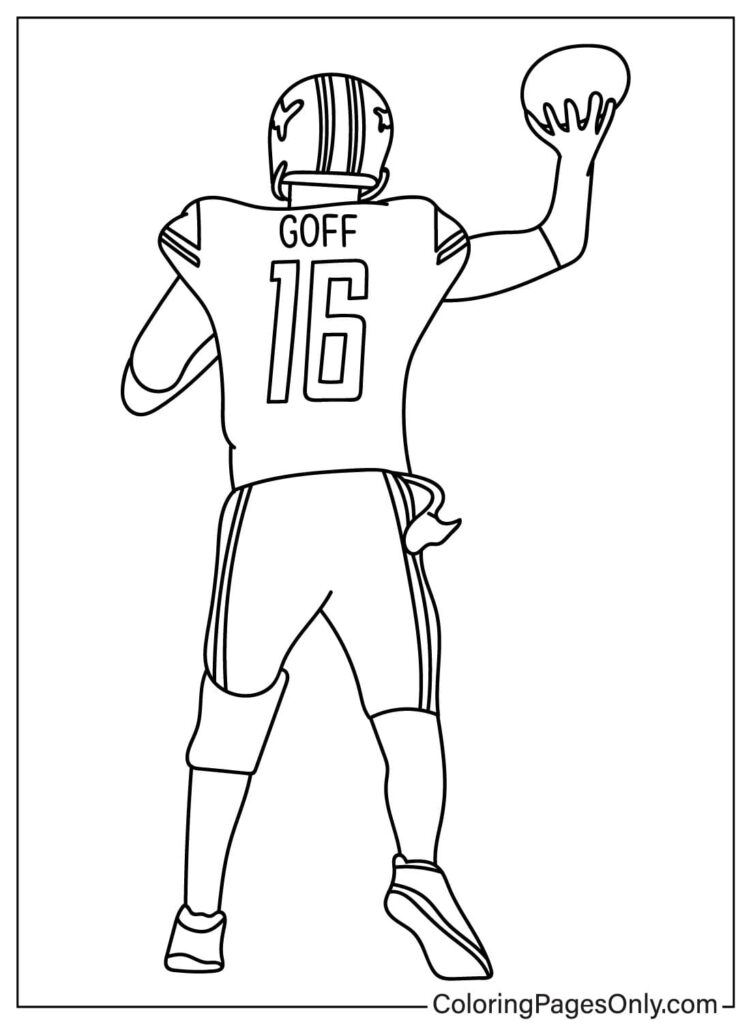
Lesson extension
To make the extension meaningful, place the coloring page after a short mini-lecture or a video clip about football basics. Then invite students to summarize what they learned in one sentence before coloring. Afterward, have them write a caption or a short explanation that links the visual to the concept discussed, such as naming positions or explaining why teamwork matters. You can also collect a quick check-for-understanding by asking students to point to a term on the page and say a related fact aloud. Finally, display a few student captions to celebrate different perspectives.
For younger learners, offer labeled versions with arrows pointing to the quarterback, receiver, and line. Older students can analyze formations or discuss how strategies change with different plays. Encourage respectful discussions and remind students that the page is a learning tool, not a portrait of a real person. If you have limited time, set a mini-task: color two zones and write one sentence about how those zones work in a play. If you can, include a quick glossary card with football terms to build context before coloring.
Using a jared goff coloring page as a lesson extension supports active participation without turning coloring into a sole activity. It works best when tied to a clear objective, a short discussion, and a subsequent writing or speaking task. By keeping the focus on learning goals, families and teachers can enjoy creative downtime while reinforcing core concepts. This approach scales from elementary projects to after-school programs, and it travels well to homeschooling schedules. Remember to adapt the page for different skill levels and to respect different comfort levels with sports content. These benefits extend to mixed-age groups and after-school clubs. It also supports flexible pacing for different learners. This makes it adaptable across curricula.