Free Printable Zones Of Regulation: Practical, Ready-To-Use Classroom Resources
Free printable zones of regulation offer ready-to-use visuals for classrooms, clinics, and homes. This guide shows practical ways to print, organize, and apply them during daily routines. Use these resources to help kids name feelings, choose strategies, and stay calm together. The approach centers on free printable zones of regulation for quick reference.
Many educators rely on zones of regulation to channel nervous energy into manageable choices. Free printable zones of regulation give you visual anchors you can place around the room, on a learning wall, or in a centers bin. A complete set of tools offers the phrase free printable zones of regulation in kid-friendly terms. The idea is simple: name the feeling, choose a strategy, then reflect on the outcome. By offering a concrete set of colors, labels, and actions, you reduce hesitation and speed up self-regulation. These prints also support caregivers and paraprofessionals, who can reference the same language during transitions and routines.
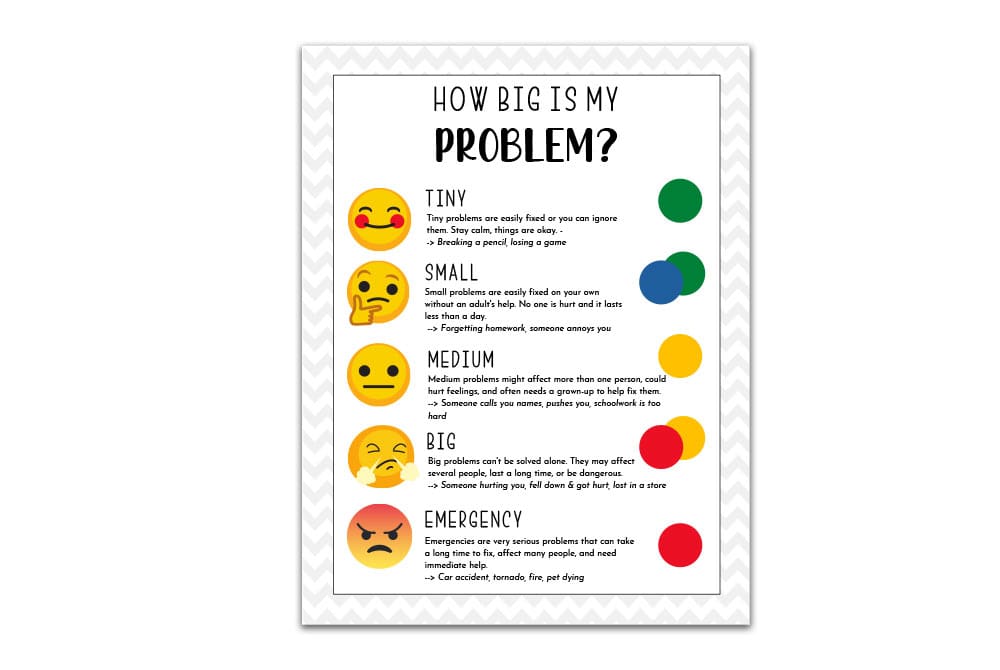
Free printable zones of regulation overview
Print-ready formats let you tailor a classroom kit quickly. Start with a bold poster at the back of the room, a set of pocket cards for small groups, and a checklist to guide daily practice. Laminate the pieces for durability and rotate them to reflect current topics or student needs. Use color and icons consistently so students can recognize a zone without reading every word.
Create a simple workflow that fits your schedule. Print, laminate, and cut the cards, then place a few in each learning center. Use a five-minute stand-and-share routine to check in on where a student feels placed and what strategy they’ll try next. Keep a small chart visible in the teacher area to track shifts and celebrate small gains.
Practical implementation
Tips for implementation include starting with just two zones and adding more as comfort grows. Invite students to name their own feelings and choose one coping action before tasks. Keep language calm, repeatable, and nonjudgmental, and model using the resources aloud during class meetings. If you're working with a team, print a shared copy and designate a zone lead for consistency.
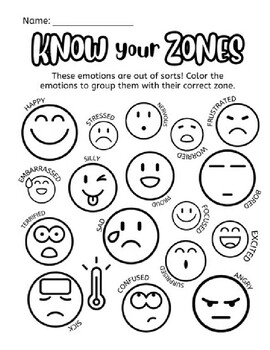
Practice ideas include a matching game with zone cards, a quick role-play scene for transitions, and a collaborative poster where students contribute drawings of strategies. For younger learners, pair visuals with a simple sensory cue, like a squeeze ball or a soft mat to boost grounding. These activities integrate naturally into circle time, centers, or after recess, reinforcing a common language.
Starting small yields steady results. Use the free printable zones of regulation as your base, then adapt it to your students' culture and pace. Track which resources are most effective in different moments—morning arrival, transitions, or end-of-day routines—and keep the kit accessible. With practice, students gain autonomy and teachers gain smoother days.