Outline Of The Human Body Printable: A Creative Activity Coach Approach To Learning
This article explores an outline of the human body printable designed for curious minds and hands-on learners. It blends simple anatomy with playful tasks, inviting learners to sketch, label, and imagine how the systems fit together on one page.
Getting started
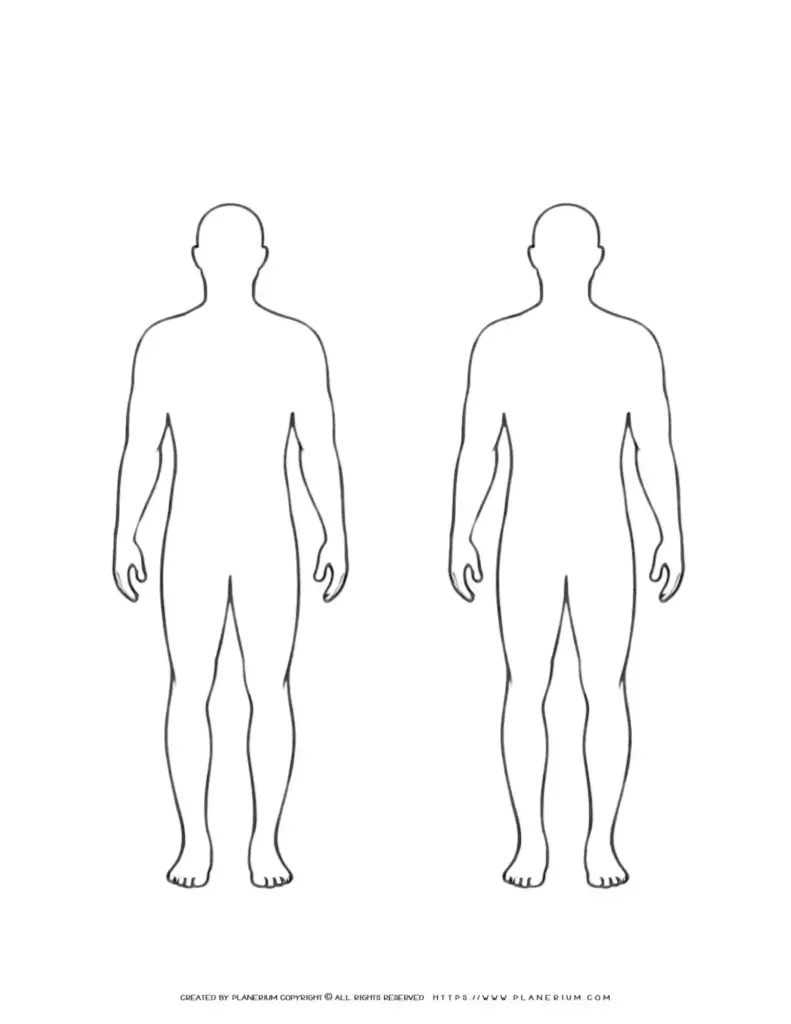
Start with a gentle sweep of the page and invite students to color the head, torso, and limbs in distinct hues while naming major parts. Add a few labeled anchors for skull, spine, heart, lungs, and liver, then guide them to trace connections between systems. Use prompts such as 'What does the circulatory system do for the brain?' or 'Where is the spine protecting your nerves?' This approach turns a simple outline into a living map of the body, ideal for classrooms, tutoring sessions, or at-home study. You can strengthen memory by verbalizing paths: from the heart through arteries, to the lungs, back to the heart. Pairing drawing with small spoken explanations helps learners move beyond recognition to understanding. Finally, offer a quick DIY extension: cut the page into large sections and reassemble to demonstrate how joints enable movement and how muscles coordinate with bones.
outline of the human body printable uses
After you print, guide learners through a rotation of activities: color by system, label the parts, and build a simple three-dimensional display from cut-out shapes. For younger students, pair up to quiz each other on organ placement; for older learners, add a quick comparison chart showing how the circulatory and nervous systems interact. The key is variety: mix listening, touching, and speaking. Encourage students to tell a brief story about one system and how it supports everyday action, like breathing during exercise or digesting a meal after play. This keeps engagement high and reinforces learning through movement and dialogue. When possible, reuse the same outlines across weeks by swapping labels or adding new organs as skills grow. A light, playful mindset helps transform a sheet of silhouettes into a flexible learning tool.
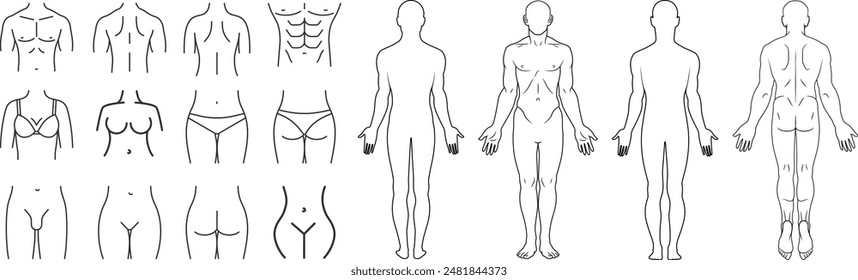
As a Creative Activity Coach, I keep pace and choice at the center. Let students decide whether to color first, label second, or explain aloud what they notice. If a learner struggles with spelling, offer tactile supports like felt letters or magnetic labels, so words stick to memory through touch. Encourage a quick legend: color codes for systems, icons for functions, so each page becomes a personal atlas. You can add a simple challenge: see how many organ names a student can recall after a short rundown. Finally, propose a game element: teams earn points by accurately placing labels or describing a system's role. The magic lies in letting curiosity lead the activity while providing gentle structure to keep momentum high.
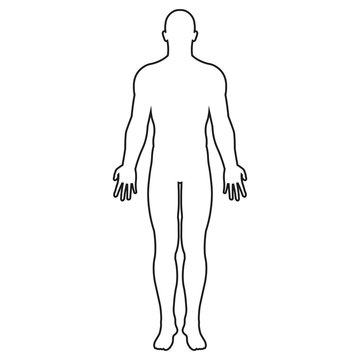
Set up a space where learners can move, compare, and discuss. Use the printable as a baseline, then invite students to annotate it with their own ideas: a mnemonic list, a quick diary-style observation, or a sticky-note caption for each organ's job. Differentiate by offering varying levels of challenge: a simple map for beginners and a more detailed, system-focused version for advanced students. If possible, laminate the sheet so it can be reused with dry-erase markers, fostering ongoing exploration. A collaborative activity, two or three students teaching each other about a system, amplifies language skills and confidence. By weaving discussion with hands-on work, the outline becomes not just a reference, but a springboard for curiosity and creative thinking.
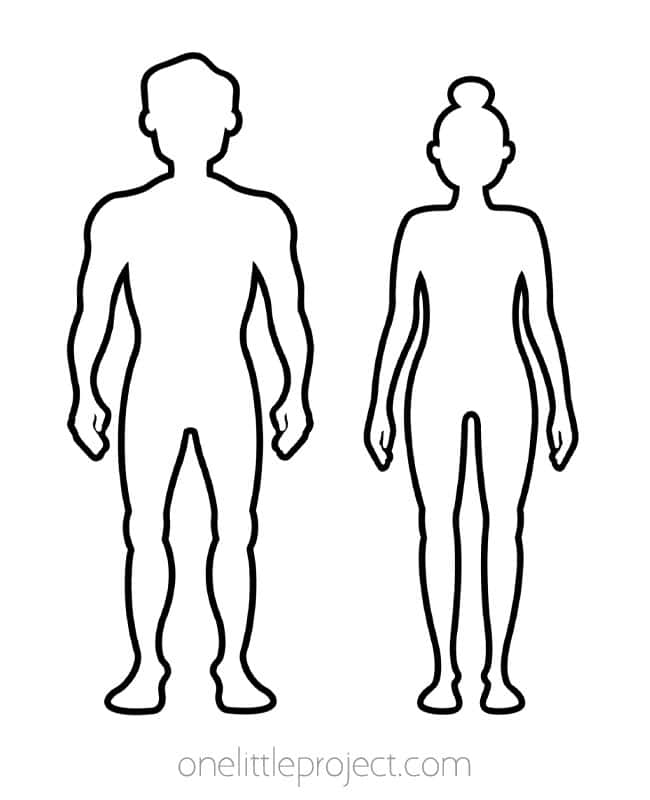
Close with reflection and next steps. Invite learners to sketch a personal body map on the back of the page, highlighting their favorite systems and noting one fact they found surprising. This kind of wrap-up builds ownership of learning and ties the printable to real-life actions. When you reuse the outline of the human body printable across seasons, you create a durable, flexible resource that grows with your students. End with a quick, playful recap: name, function, and a moment of wonder for each system touched today.