Printable Times Tables 1 12: A Practical Paper Organization Coach Guide
This printable times tables 1 12 resource is designed for hands-on learners. As your Paper Organization Coach, I guide you to set up a simple workspace, add clear steps, and practice with purpose. You will see how a well-organized chart boosts recall and confidence.
Print a clear times tables chart and place it where students can reach it. During a short daily routine, have learners point to each row and say the product aloud. Encourage self-check by covering the answers and reciting from memory, then uncovering to verify. Add a reflective question at the end of the session: which products felt familiar, which were tricky, and why? This regular practice builds fluency and reduces math anxiety by turning multiplication into a steady, repeatable process. As learners gain speed, invite them to test a friend in a quick five-question challenge and celebrate small wins together.
The beauty of a printable resource lies in its flexibility. Use it as a classroom routine, a family drill, or a independent station during math time. Pair it with simple manipulatives or a whiteboard moment for quick checks. As patterns emerge—doubling, halving, and the ten times table—students gain intuition that sticks beyond memorization. When you notice a learner making connections, jot down that insight and reference it next week to reinforce progression. Build a mini-rotation where different students lead a 5-minute demonstration, showing a strategy that worked for them. These moments turn a static chart into an active learning tool.
Workshop setup
Begin with a clear plan for how learners will engage with the printable times tables 1 12. Create a short routine: glance, attempt, compare, and reflect. Keep a notepad handy for noting tricks each student discovers, such as which rows repeat or where quick shortcuts exist. Add checkpoints: at the end of the week, ask learners to explain one pattern they noticed and show how they applied it in solving two problems. A predictable rhythm reduces hesitation and invites faster recall over days and weeks. If a student struggles, pair them with a peer mentor for a quick review.
Practice tips
Encourage varied practice to meet different needs. Rotate quick-fire drills with longer challenges, and invite students to create their own mini-quizzes using the chart. Pair students to quiz one another, then switch roles. This collaborative format keeps momentum high and reinforces accuracy through peer feedback. Build a tiny portfolio: after each session, students add one strategy they used and one error they caught. Over time, you’ll see fluency grow and mistakes decrease as routines solidify. Use the chart as a reference during review days, not just in the moment of practice.
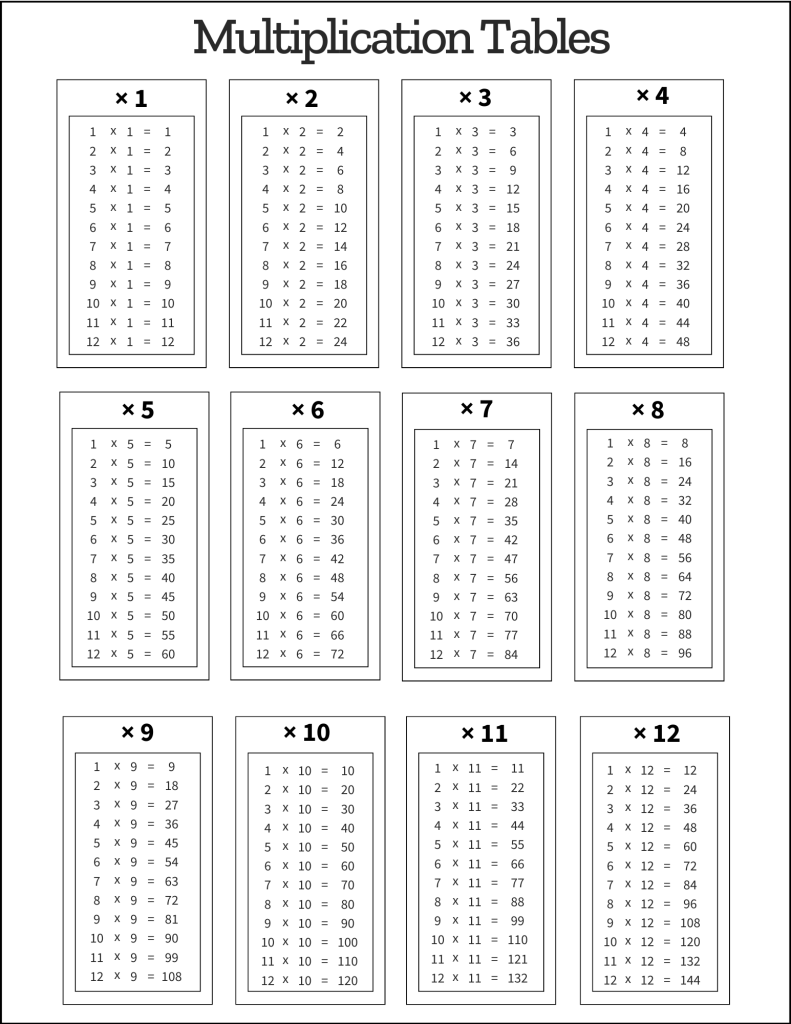
When used consistently, this printable times tables 1 12 becomes a centerpiece for independent practice and classroom routines. Encourage students to set personal goals, such as memorizing a row per week, and reward steady progress with praise and visible milestones. The simple structure makes it easy to track growth over time without overwhelming learners. Introduce a weekly reflection: which product felt effortless, which required a second attempt, and what hint helped most. Remind students that mastery emerges from consistent, thoughtful repetition rather than last-minute cramming.
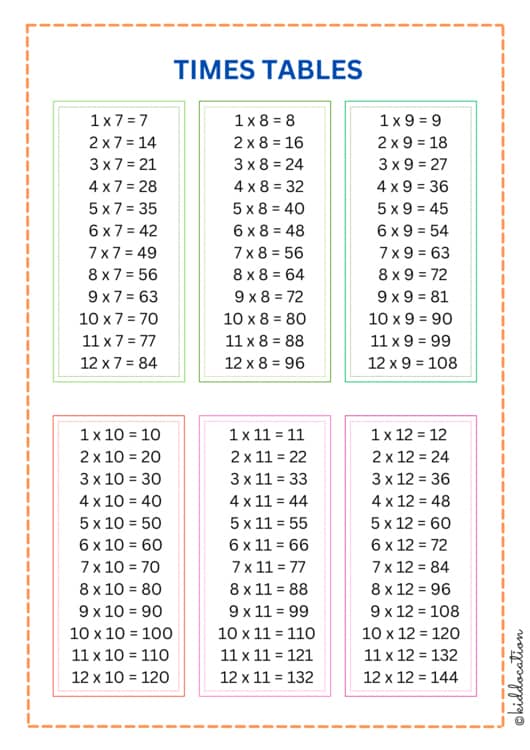
A practical classroom habit is to place the chart at the center of a learning station and rotate focus among five stations over the week. Each station builds on the same core idea while introducing a fresh challenge, like reciting aloud while performing a quick calculation. The result is steadier recall and a more confident approach to multiplication tasks. Add a quick exit ticket: ask students to write one product they recalled correctly and one they are still unsure about. Collect these and tailor the next session to address gaps.
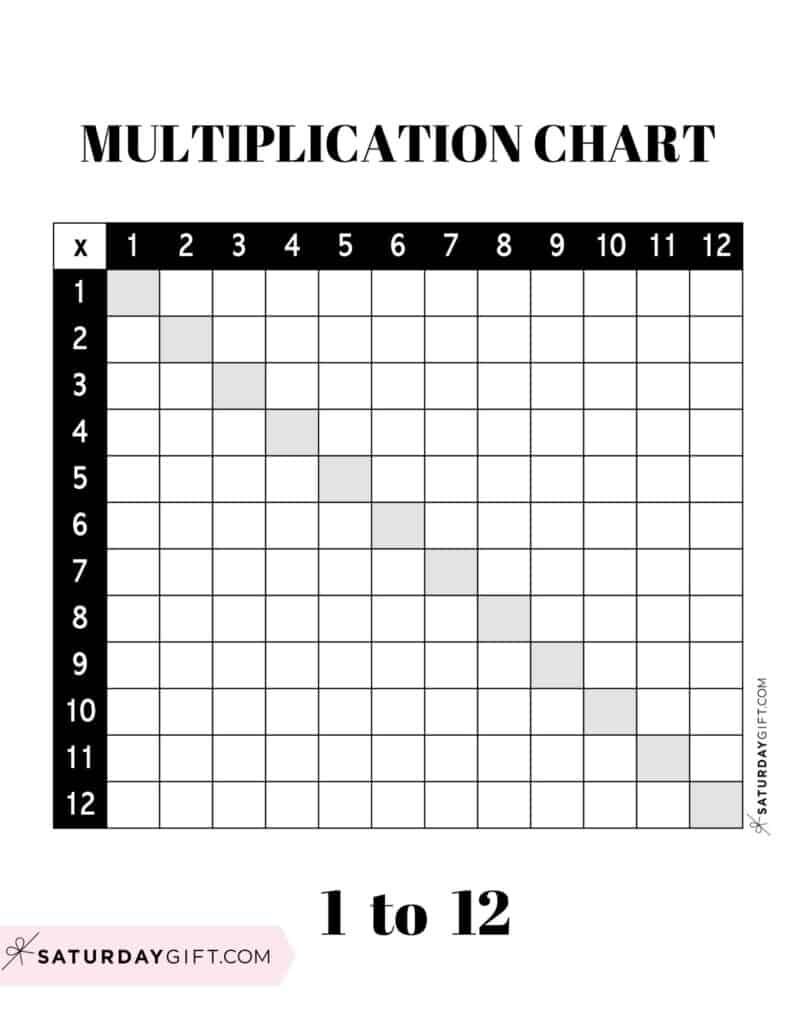
As you embed printable times tables 1 12 into routines, you'll notice a shift from tentative attempts to confident, quick responses. Treat this as a process you support with clear expectations, consistent practice, and an emphasis on understanding patterns. The payoff is a practical, ready-to-use resource that students can rely on day after day. Keep a simple progress log: date, effort observed, and a note on what helped most. With steady use, multiplication becomes a reliable tool students reach for without fear.